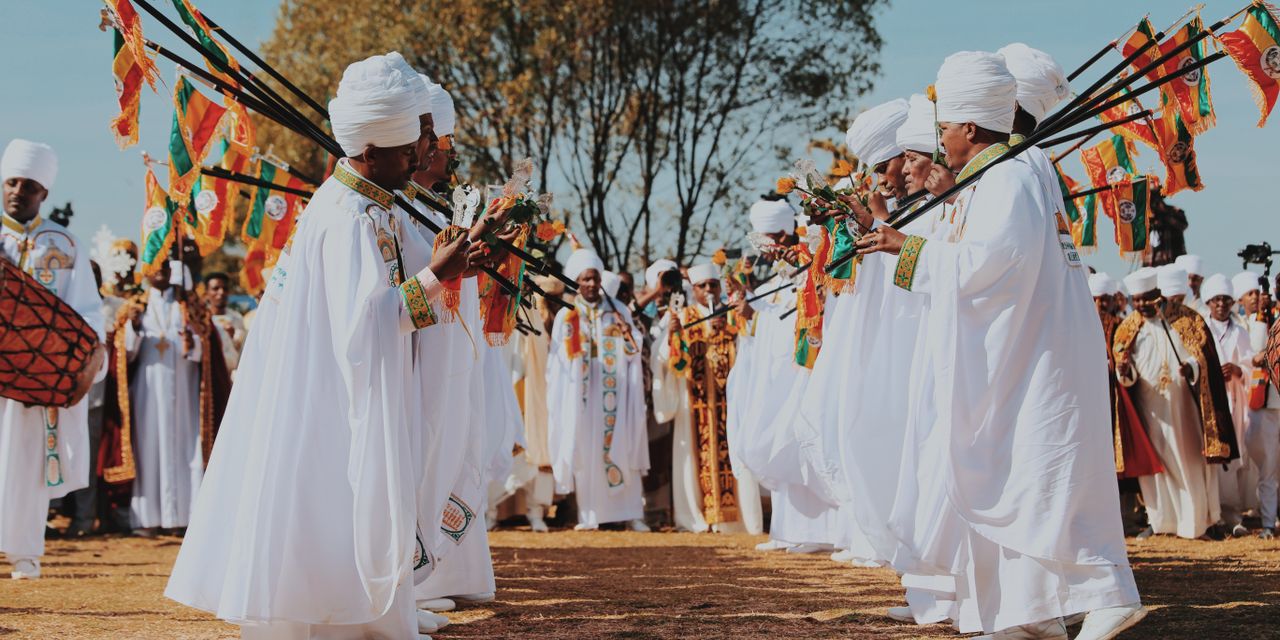
Timkat, celebrated takes place on the 19th January (or the 20th in a leap year), commemorates the Epiphany in the Ethiopian Orthodox Church. It involves processions carrying replicas of the Ark of the Covenant, ritual baptisms, and communal feasting. The festival is especially vibrant in cities like Gondar and Addis Ababa.

The Egungun Festival, held in September in parts of Yorubaland, particularly Oyo, Nigeria, honors ancestral spirits through elaborate masquerades. Costumed performers, representing the spirits of the deceased, dance through communities to bless and connect with the living. This lesser-known event is a profound expression of Yoruba spiritual beliefs and community ties.
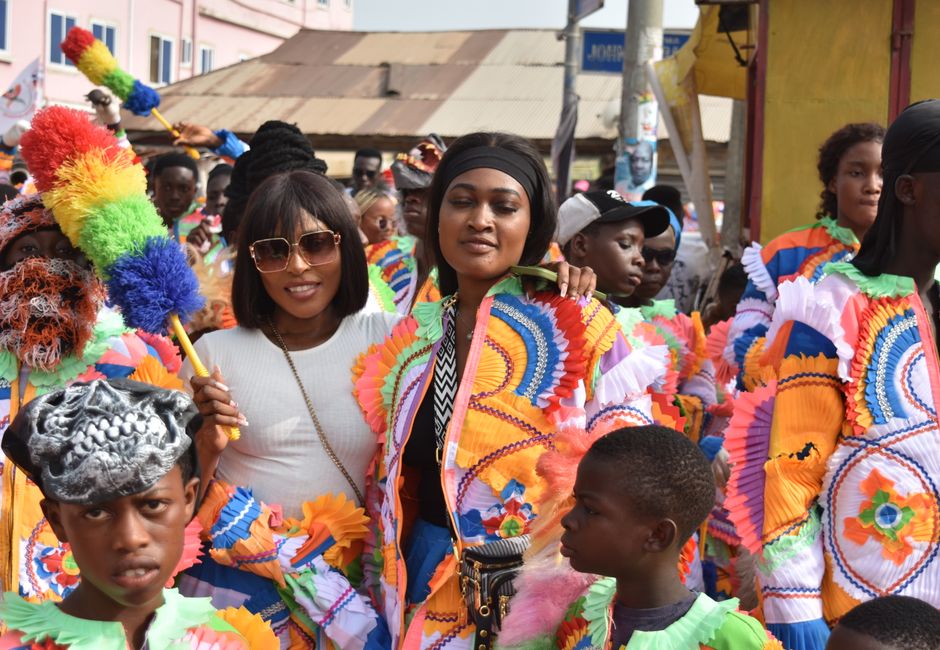
The Awuru Odo Festival, held by the Igbo people in Enugu State, Nigeria, typically occurs around November biennially, marking the return of ancestral spirits called Odo to the living world. In 2026, this lesser-known festival will feature masquerades, drumming, and communal feasts as villagers honor their lineage through rituals and storytelling. It’s a profound expression of Igbo cosmology and community ties.

Held annually in August in Vihiga County, this festival celebrates the heritage of the Maragoli people, a subgroup of the Luhya tribe. It features traditional music, dance, storytelling, and showcases agricultural practices unique to the region. It’s a lesser-known event outside Kenya but vital for preserving local identity.

Celebrated on December 28 or 29 (depending on the leap year in the Ethiopian calendar), Ganna marks the birth of Jesus Christ with unique Ethiopian Orthodox traditions. Families attend midnight church services, often dressed in traditional white shawls called netela, followed by communal feasts featuring injera and doro wat. This lesser-known Christmas observance emphasizes fasting, prayer, and community bonding.