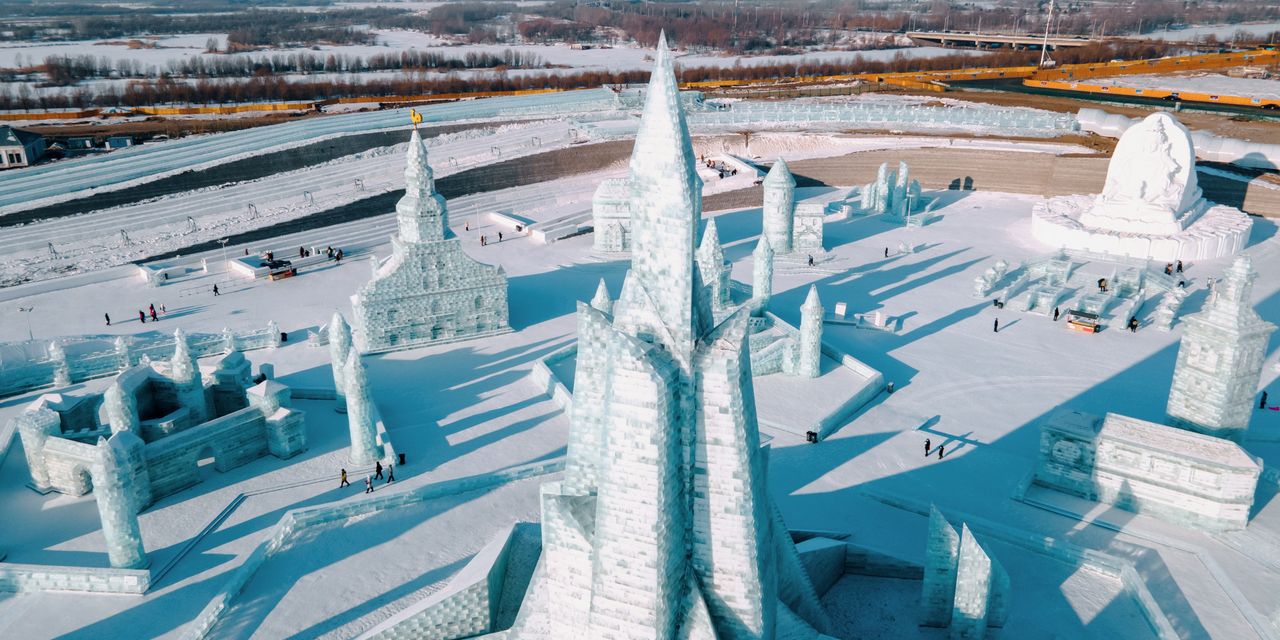
Held annually in Harbin, this festival is one of the largest ice and snow art events in the world, featuring massive, intricately carved ice sculptures illuminated by colorful lights. Artists from around the globe compete to create stunning frozen structures, while visitors enjoy ice lantern displays and winter sports. It typically begins in early January and lasts for a month, drawing millions to this frigid northeastern city.
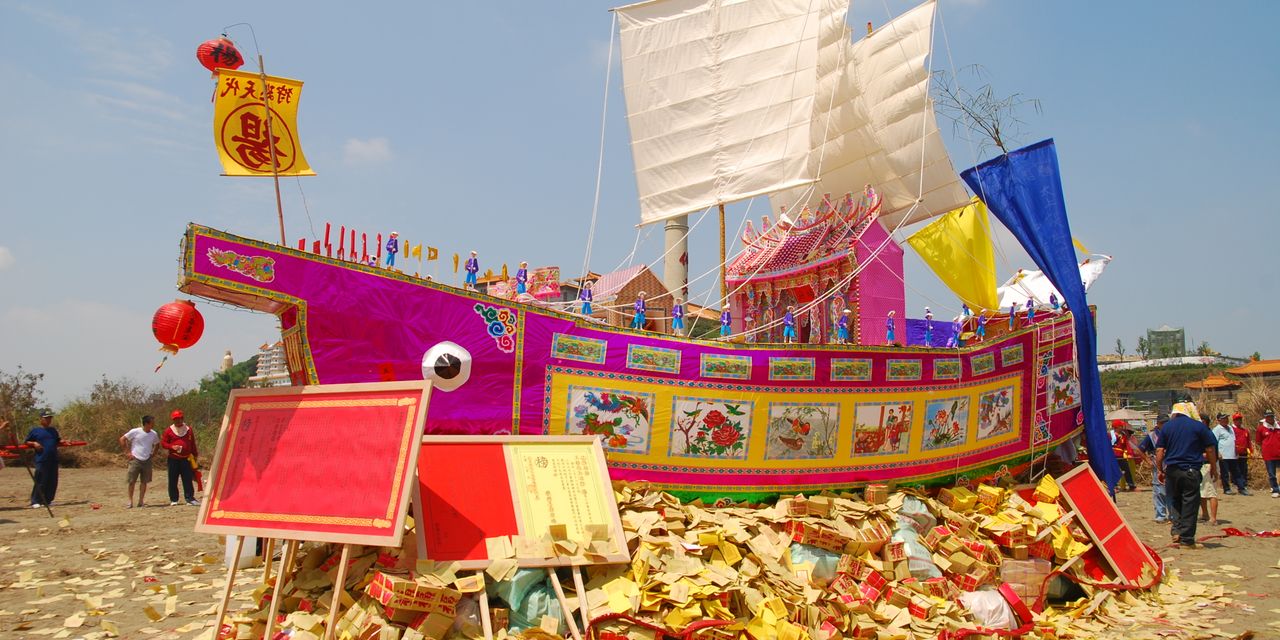
Celebrated in January by the local fishing community in Macau, this lesser-known festival honors Tam Kung, a Taoist deity believed to protect fishermen and control the weather. The event includes offerings, prayers, and small processions at temples, reflecting the region's blend of Chinese and Portuguese influences. It’s a quiet but deeply meaningful observance for coastal families.

Held on January 15th each year in the small ski village of Nozawa Onsen, this unique festival features a dramatic battle over a wooden shrine set ablaze by villagers. Men aged 25 and 42, considered unlucky ages in Japanese tradition, defend the structure from being burned down by others wielding torches. It’s a lesser-known event symbolizing purification and protection from misfortune.

Basant Panchami, celebrated in late January or early February (often January in 2027 depending on the lunar calendar), marks the arrival of spring and honors Saraswati, the Hindu goddess of knowledge and arts. Observed widely in India, especially in the northern and eastern regions, it involves wearing yellow, flying kites, and offering prayers for wisdom. The festival reflects a blend of seasonal joy and spiritual reverence.

Lohri is a vibrant harvest festival celebrated primarily by Sikhs and Hindus in Punjab, marking the end of winter and the beginning of longer days. The festival involves bonfires, singing folk songs, and dancing, with families and communities coming together to offer prayers for prosperity. It is also a time to honor agricultural traditions and share sweets like rewari and gajak.

Pongal is a four-day harvest festival celebrated by Tamils in southern India, giving thanks to the Sun God for agricultural abundance, typically in mid-January. It includes cooking a special dish called Pongal made of rice and lentils, decorating homes with kolam (rangoli), and honoring cattle. The festival reflects deep ties to agrarian life and family bonding.

Sinulog is a grand cultural and religious festival held in Cebu City to honor the Santo Niño (Holy Child Jesus), celebrated on the third Sunday of January. It features a massive street parade with colorful costumes, traditional dances, and drumming, drawing millions of devotees and tourists. The festival blends Catholic faith with indigenous Filipino traditions.
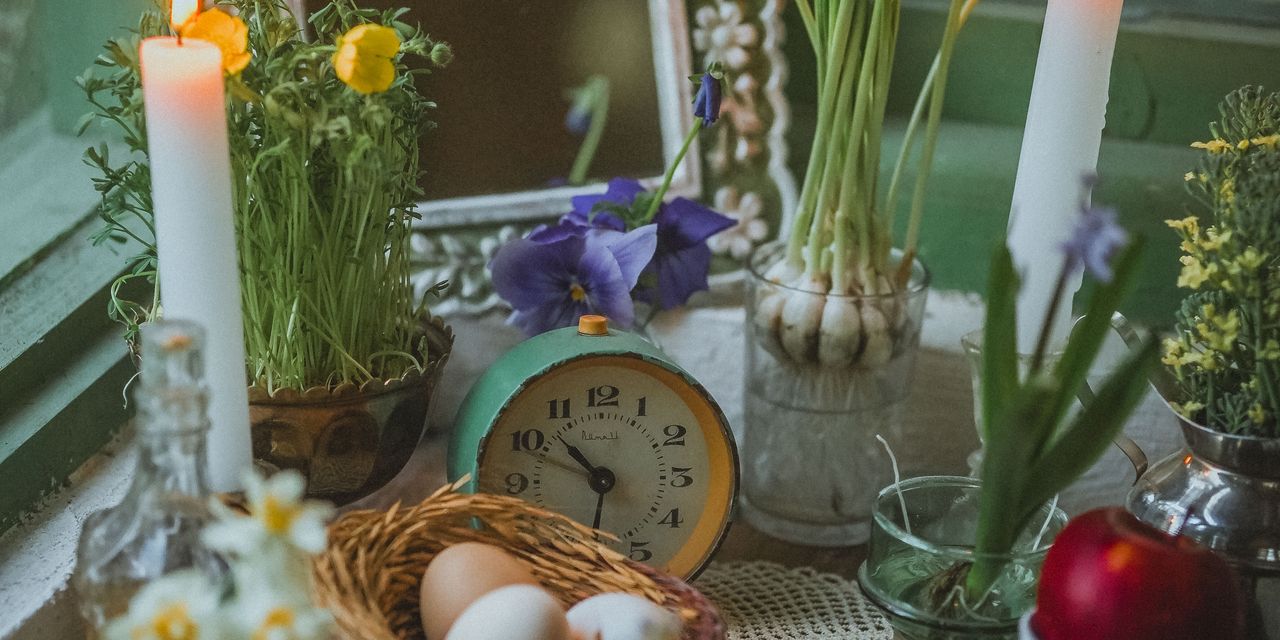
The Baha'i New Year begins with picnics, prayers, and setting a 'Haft-Sin' table with seven symbolic items representing renewal. Families gather for feasts and reflection on unity. Observed globally by Baha'is but rooted in Persian culture, it's a quiet spiritual observance.

Songkran is the Thai New Year, celebrated with massive water fights in the streets to symbolize washing away bad luck. The festival includes temple visits, merit-making, and pouring water on Buddha statues as a sign of respect. It’s a vibrant, community-wide event uniting families and friends.

Hana Matsuri, or Flower Festival, celebrates Buddha’s birthday on April 8 with quiet temple ceremonies across Japan. Participants pour sweet tea over small Buddha statues and decorate altars with flowers, symbolizing purity and renewal. It’s a lesser-known observance outside Buddhist communities, overshadowed by larger Japanese festivals.

Celebrated on the 5th day of the 5th lunar month, the Dragon Boat Festival commemorates the ancient poet Qu Yuan with dragon boat races, sticky rice dumplings (zongzi), and rituals to ward off evil spirits. It’s a vibrant event rooted in Chinese folklore, observed widely across the country and in Chinese communities worldwide. In 2026, it falls in June.

Naadam is a traditional festival in Mongolia, often referred to as the 'Three Manly Games,' celebrated annually in July. It features competitions in wrestling, horse racing, and archery, showcasing the nomadic heritage of the Mongolian people. The event is a national holiday and includes vibrant cultural performances and communal feasting.