
While the main Bon Festival occurs later, August in Taiwan sees preparatory rituals for the Festival of the Hungry Ghosts, including temple ceremonies and offerings to appease wandering spirits. This lesser-known aspect of Taoist and Buddhist culture involves community participation in cleansing rituals. It reflects deep ancestral reverence unique to the region.
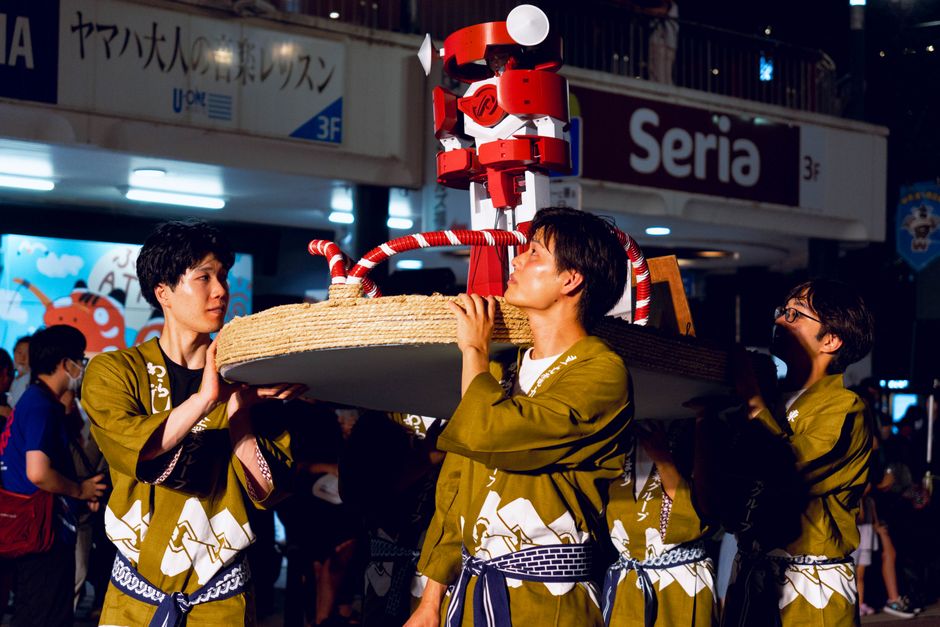
While Obon is often held in July or August elsewhere, some regions like Tsushima Island observe this Buddhist festival in June to honor ancestors with lantern lighting and family reunions. Lesser-known compared to mainland celebrations, it includes unique local dances and offerings at gravesites. It’s a quiet, reflective event tied to familial piety.

Obon is a Japanese Buddhist custom to honor the spirits of one's ancestors, typically held in mid-July of the Gregorian calendar. Families return to their hometowns, clean graves, and light lanterns to guide spirits back home, often culminating in communal dances called Bon Odori. It’s a time of reflection and family reunion.

While Chuseok, the Korean harvest festival, often falls in September, preparatory rituals and smaller local events begin in late August in rural areas. Families start crafting songpyeon (rice cakes) and honoring ancestors through early ceremonies. These August activities are less known outside Korea but are vital to the cultural buildup.

The Mid-Autumn Festival, celebrated on the 15th day of the 8th lunar month, typically falls in September. It is a time for family reunions, moon-gazing, and giving thanks for the harvest, with mooncakes being a central traditional treat. This festival is widely observed across China and other East Asian communities, symbolizing unity and harmony.

Pchum Ben, a 15-day Buddhist festival in September or early October, is a significant Cambodian observance to honor deceased ancestors. Families visit pagodas to offer food and pray for their loved ones’ spirits, believing the gates of hell open during this time. This lesser-known event outside Cambodia reflects deep spiritual traditions and familial duty.

Diwali, one of the most significant Hindu festivals, is celebrated with immense joy across India in November 2026, symbolizing the victory of light over darkness and good over evil. Families light oil lamps called diyas, decorate homes with rangoli (colorful patterns), and exchange sweets and gifts. Fireworks illuminate the night sky as communities come together for prayers and feasts.
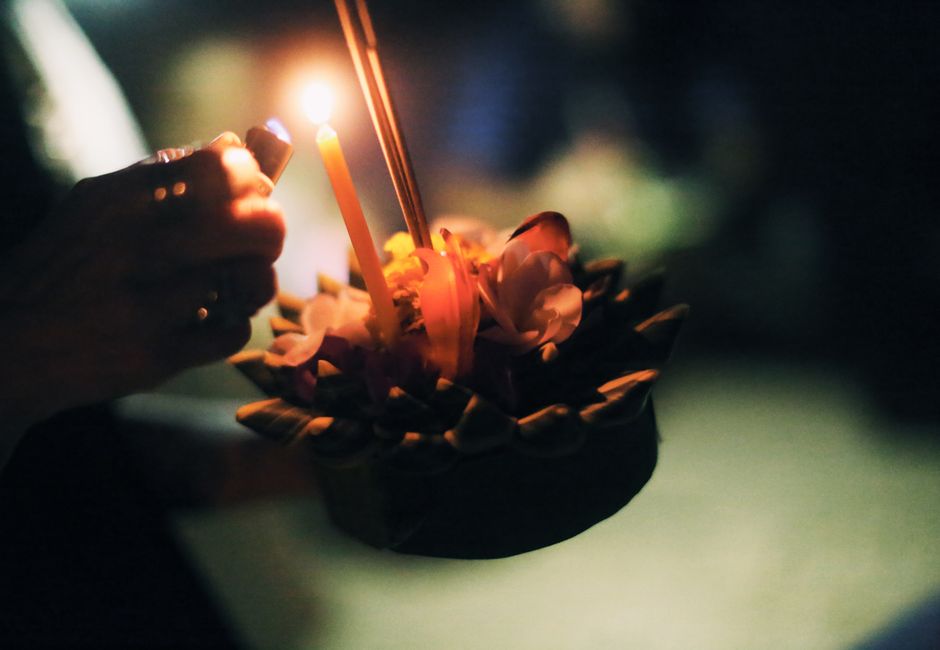
Loi Krathong, celebrated on the full moon of the 12th lunar month (often in November), is a serene festival in Thailand where people release floating baskets (krathongs) made of banana leaves into rivers to honor the water goddess and let go of misfortunes. In 2026, it will likely fall in early November, with lanterns lighting up the sky and local performances adding to the charm. It’s a time for gratitude and renewal in Thai culture.

Omisoka, observed on December 31, is Japan’s New Year’s Eve, marked by rituals to cleanse the past year and welcome the new one. Families clean their homes (osoji), eat toshikoshi soba (year-crossing noodles), and listen to temple bells ringing 108 times to dispel sins. This culturally significant event blends Shinto and Buddhist practices with family traditions.