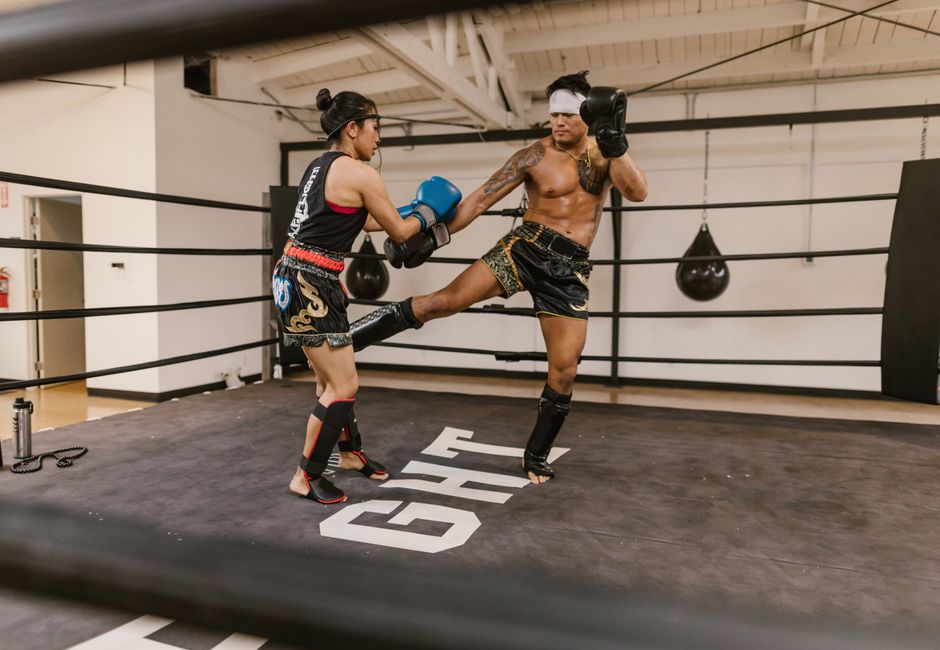
A traditional martial art and combat sport in Thailand, often practiced as a form of cultural expression and physical discipline. Many young Thais learn it for fitness and self-defense.

Known as 'Fon Thai,' this dance form involves intricate hand movements and storytelling through graceful postures, often performed during Songkran processions.
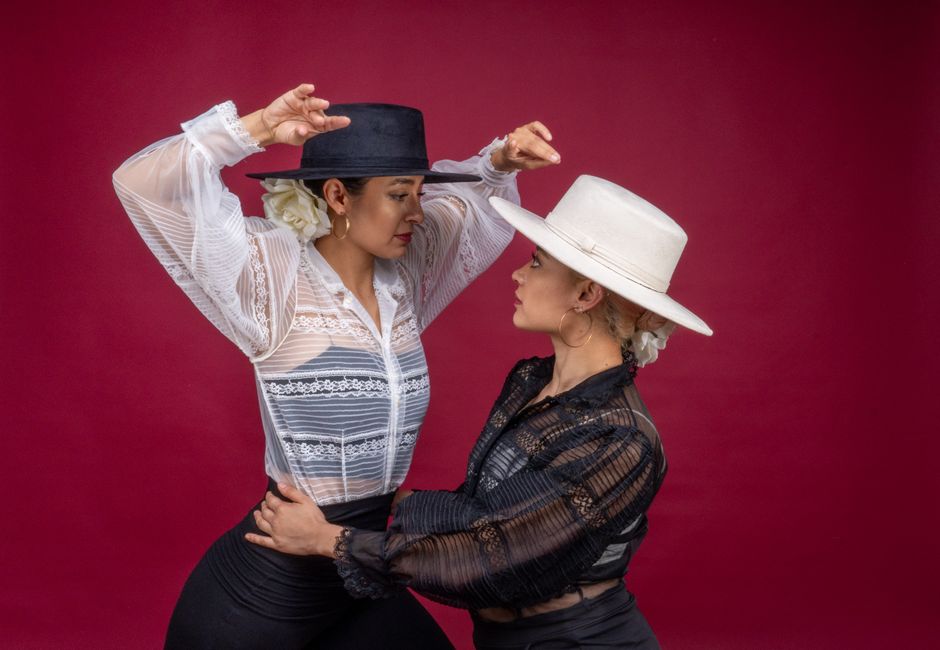
A passionate dance form with intricate footwork and emotional expression, often taught from a young age in Andalusia and performed at Feria.

A valued skill in Seville, especially for Feria parades, where riders showcase control and elegance in traditional equestrian displays.

A traditional Moroccan music style rooted in spiritual rituals, played with instruments like the guembri, often passed down through generations.

Arabic calligraphy is a revered art form in Morocco, often learned for religious and decorative purposes, reflecting cultural identity.

A traditional equestrian performance involving synchronized riding and rifle-firing, practiced in rural Moroccan communities for cultural events.

The Japanese art of flower arrangement, emphasizing harmony and minimalism, often practiced for temple ceremonies like Hana Matsuri.

A ritualistic preparation and serving of matcha tea, rooted in Zen philosophy, commonly learned as a cultural practice in Japan.
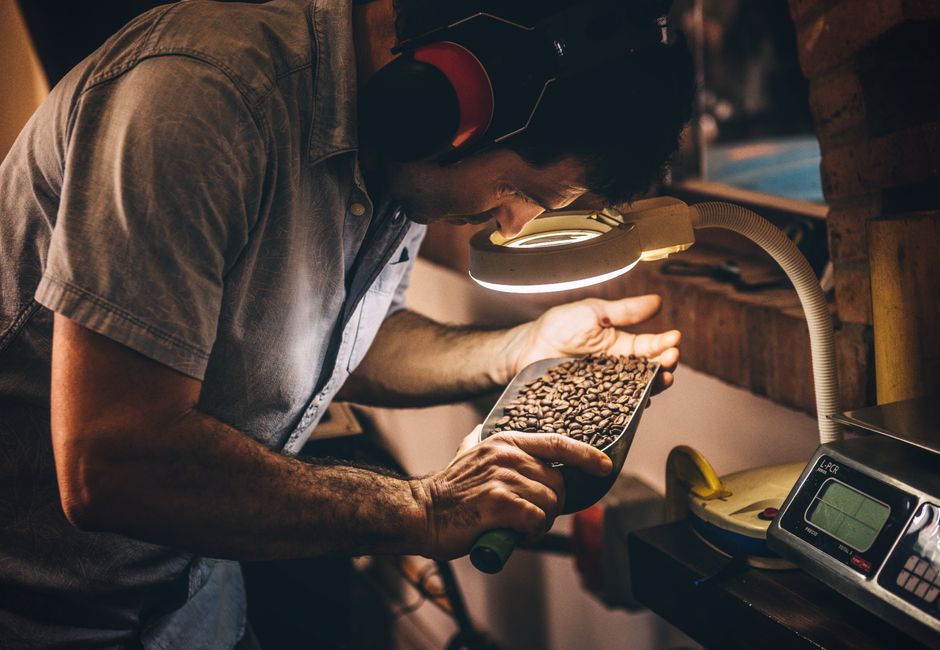
A specialized skill in identifying flavors and quality of coffee beans, critical to the region’s economy. It’s taught through generations in coffee-growing families.

Designing elaborate floral displays for festival floats and events. It requires knowledge of local flowers and aesthetic traditions.

A traditional Colombian dance often performed during festivals, blending African, Indigenous, and Spanish influences. It involves fluid hip movements and partnering.