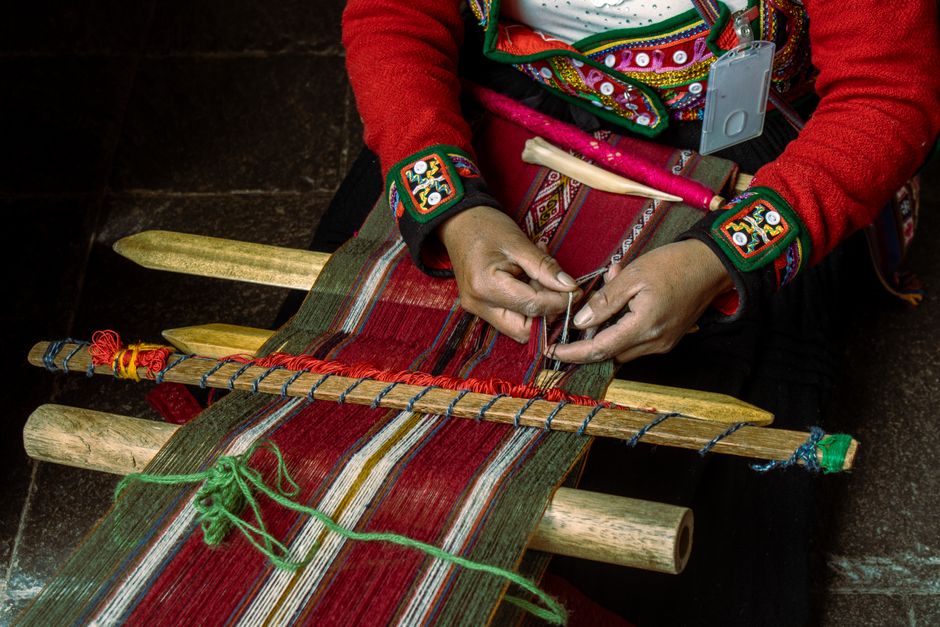
Weaving intricate patterns into textiles using alpaca or llama wool is a common craft in the Andes, often displayed during festivals like Inti Raymi. It involves mastering looms and natural dyeing techniques.

The traditional craft of constructing wooden sailing boats called dhows, a skill passed down through generations along the Swahili coast. It involves intricate woodworking and knowledge of maritime design.

Women in the region weave intricate textiles using backstrap looms, often worn during festivals. This skill preserves indigenous patterns and stories.

Crafting wooden masks for Odo masquerades is a sacred skill among the Igbo, requiring knowledge of spiritual symbols and precise carving techniques. It’s often passed down through specific families.

This intricate craft involves shaping massive blocks of ice into detailed sculptures using chisels, chainsaws, and other tools. It requires precision and an understanding of ice properties to prevent cracking.
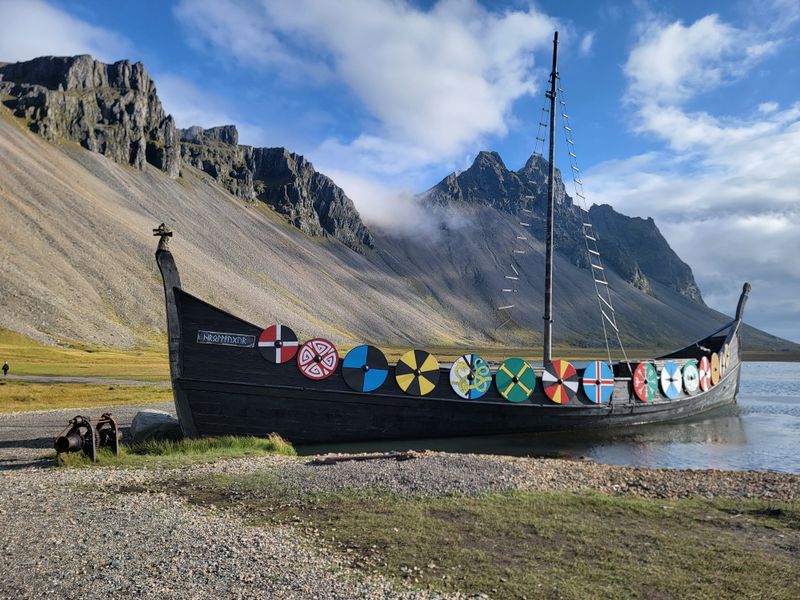
Crafting detailed replicas of Viking longships is a skill passed down in Shetland, often involving woodworking and historical research to ensure accuracy. This is central to the Up Helly Aa festival as the ship is a focal point of the celebration.

Crafting elaborate Carnival costumes often involves intricate featherwork, a skill passed down through generations in Rio. Artisans create stunning headdresses and wings using vibrant feathers.

An indigenous Anishinaabe art where thin birch bark is bitten and folded to create intricate geometric patterns symbolizing nature. Practiced by First Nations artists for storytelling and decoration.

Mastering Nasta'liq script with reed pens for poetry and religious texts, a revered art in Iranian culture. Practiced for gifting and decoration.