
Arabic calligraphy is a revered art form in Morocco, often learned for religious and decorative purposes, reflecting cultural identity.

The Japanese art of flower arrangement, emphasizing harmony and minimalism, often practiced for temple ceremonies like Hana Matsuri.

Designing elaborate floral displays for festival floats and events. It requires knowledge of local flowers and aesthetic traditions.

A traditional craft in Gloucestershire, where locals learn to produce artisanal cheeses like Double Gloucester. It involves knowledge of fermentation and aging processes.

A specialized craft of building ornate festival chariots using wood and fabric, often done communally. It demands carpentry skills and an understanding of symbolic designs.
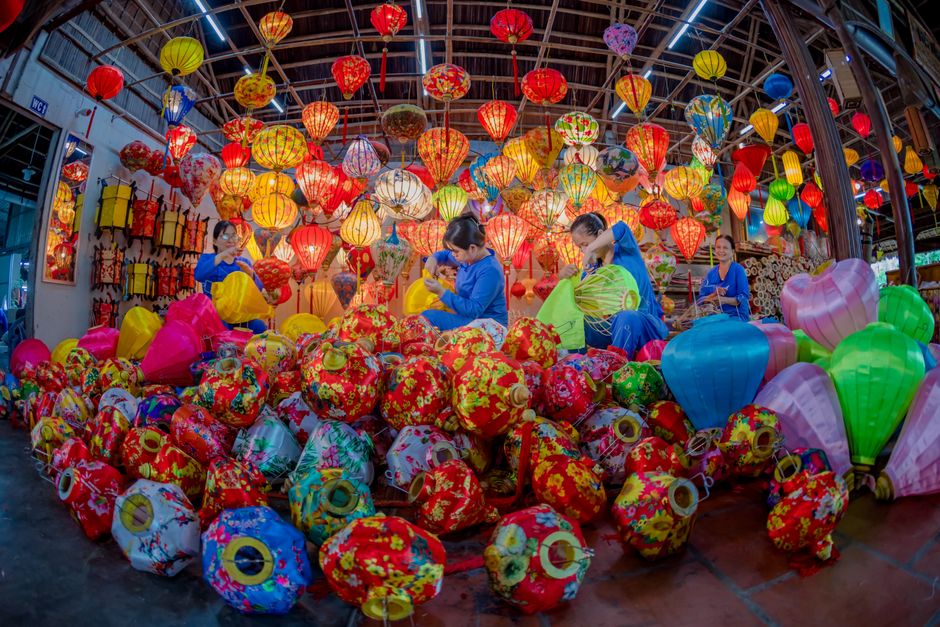
Families create or maintain paper lanterns to guide spirits during Obon, a skill requiring delicate paper folding and calligraphy for inscriptions. It’s often taught within households.
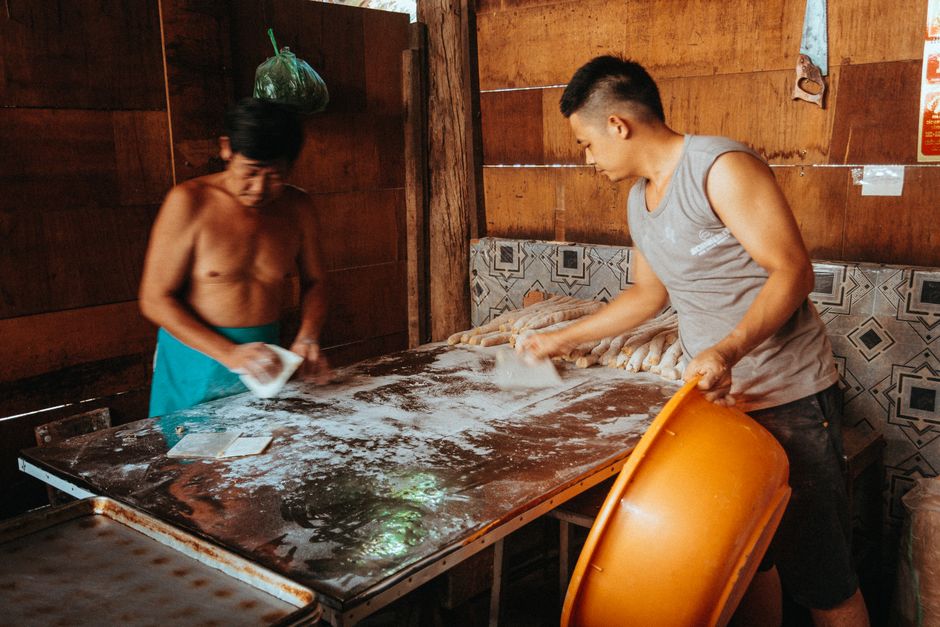
Preparing cassava bread, a Garifuna staple, involves grating and pressing cassava root, a labor-intensive skill preserved by elders. It’s often shared during cultural events.
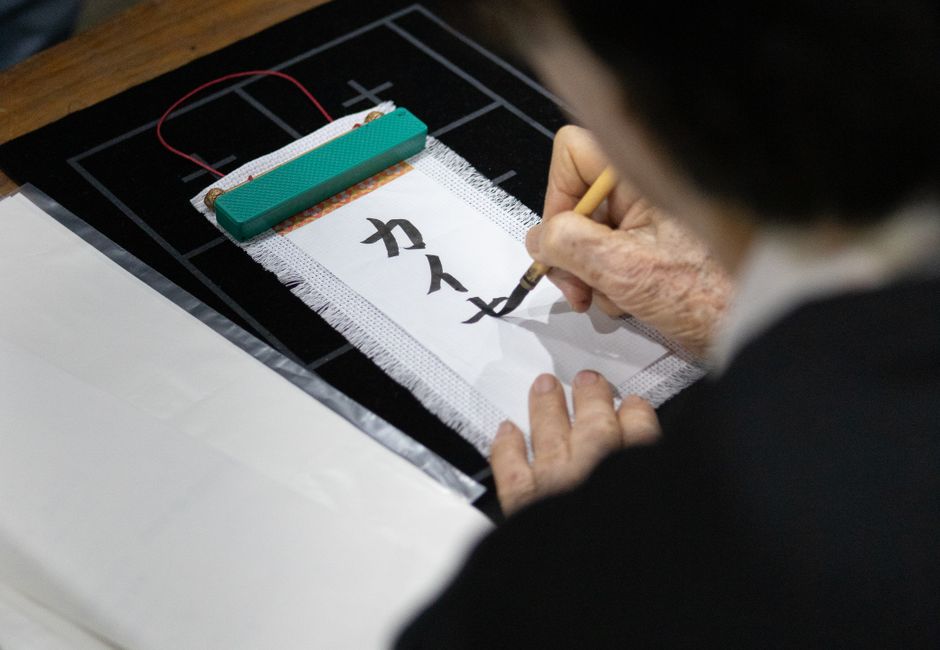
The art of writing Japanese characters with a brush and ink, often practiced in preparation for writing messages or prayers during Obon. It requires focus and precision.

A traditional skill of shaping rice dough into half-moon cakes filled with sweet fillings, often steamed on pine needles for aroma. It’s a family activity requiring delicate handwork.

Crafting baskets from local fibers for storage and trade, a practical skill among Maragoli women. It demands patience and intricate handwork.

Crafting mooncakes involves intricate techniques to create the pastry dough and fillings like red bean or lotus seed paste. It often requires precision to imprint traditional designs on the cakes.
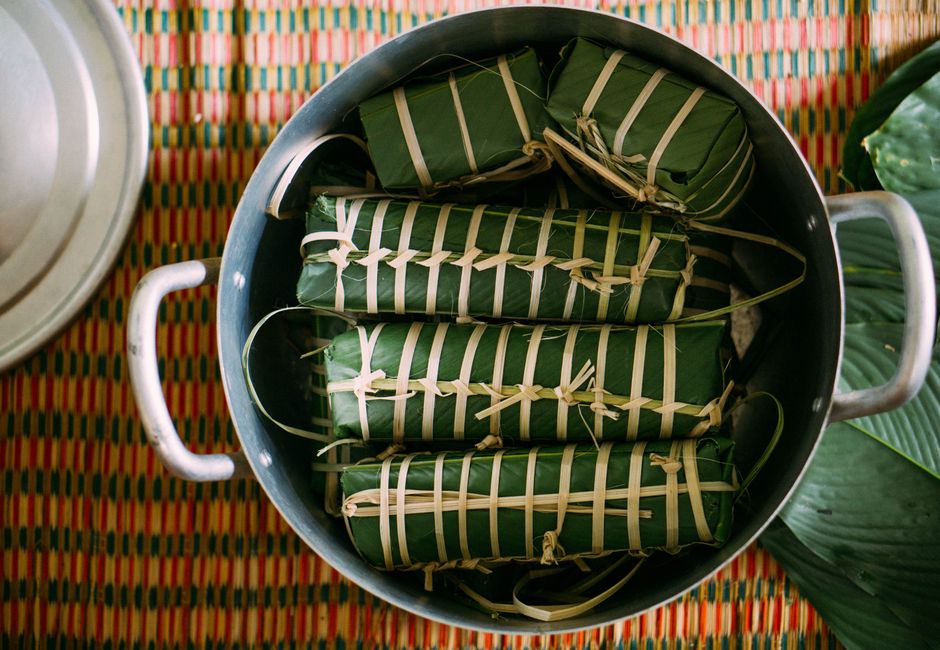
Preparing offerings like sticky rice balls (bay ben) for ancestors is a common skill during Pchum Ben. It involves specific recipes and techniques passed down through generations.