
Creating intricate rangoli patterns with colored powders or flowers is a skill learned by many Indo-Fijian women to decorate home entrances. It symbolizes welcome and prosperity.

Bavarian brewing follows strict purity laws, and many locals learn small-scale brewing techniques for personal or community use. It’s a craft tied to regional pride.
Rangoli involves creating intricate, colorful designs on the floor using colored powders, rice, or flower petals, often during Diwali to welcome prosperity. It requires precision and creativity to form symmetrical patterns.

Crafting krathongs involves folding banana leaves into intricate floating baskets adorned with flowers, candles, and incense. It’s a delicate skill taught in families and schools during the festival.
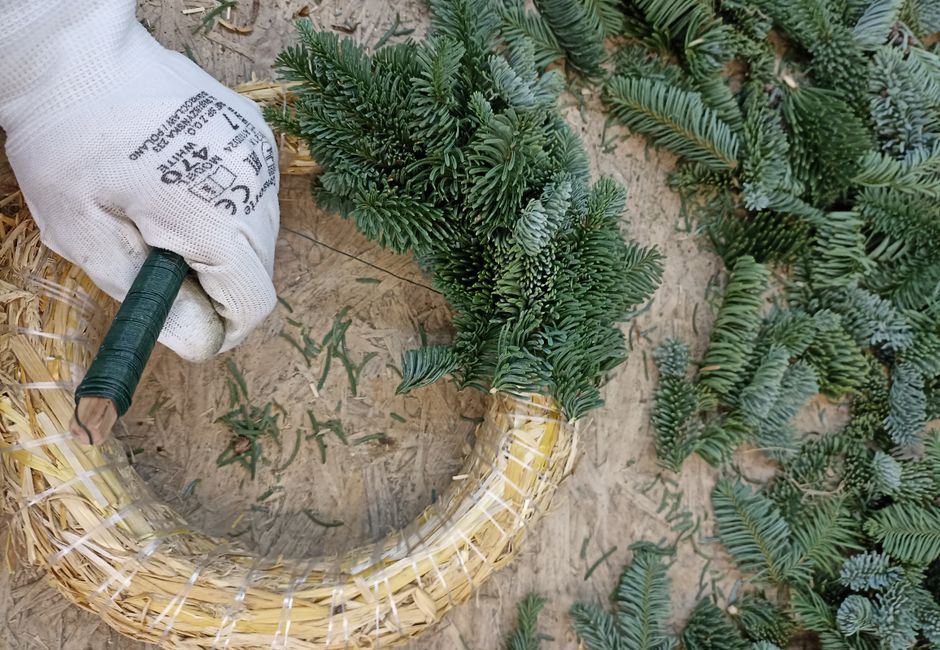
Creating intricate floral wreaths for graves is a common skill in Poland, using natural materials like pine branches and chrysanthemums. It’s a meticulous craft tied to seasonal remembrance.

Locals often handcraft elaborate pirate costumes for the festival, using sewing skills to replicate historical attire with a Caribbean twist. It’s a creative tradition for families and schools.
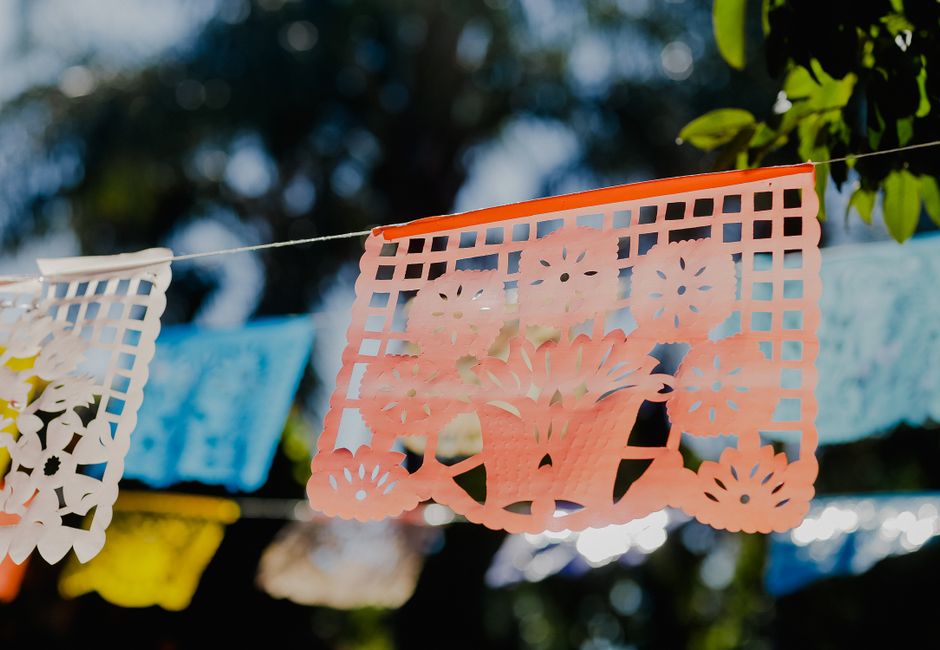
The art of cutting intricate designs into colorful tissue paper to create decorative banners for festivals. This skill is passed down through generations and requires precision.

A staple flatbread made from teff flour, requiring fermentation and a specific cooking technique on a clay griddle. Mastery involves understanding the batter’s consistency and timing.

Crafting traditional New Year decorations made of pine, bamboo, and plum branches to welcome ancestral spirits. It requires knowledge of symbolic meanings and aesthetic balance.

Villagers learn to build temporary wooden shrines using traditional joinery techniques without nails, a skill rooted in Shinto practices. It requires teamwork and knowledge of sacred design.

Crafting kites from bamboo and paper, and mastering the art of flying them with sharp, competitive maneuvers, is a traditional skill during Basant Panchami. It symbolizes freedom and the welcoming of spring.

Participants paint intricate, satirical designs on large lanterns for the Fasnacht parades, a skill requiring artistic precision. These lanterns often critique current events or local issues.