
Dancers wear heavy, layered costumes and perform vigorous routines to embody ancestral spirits. This skill requires physical endurance and cultural knowledge passed through families.

A competitive dance form performed at the Gathering, featuring precise steps like the Highland Fling. It demands agility and years of training in traditional Scottish styles.

This traditional Bavarian folk dance involves slapping shoes and thighs in rhythm, often performed at Oktoberfest. It requires stamina and coordination.

This circular folk dance is performed at harvest festivals, requiring group coordination and rhythmic steps. It’s a staple of Greek celebrations.

A classical Indian dance form often performed during Diwali events, Bharatanatyam combines expressive storytelling with intricate footwork and hand gestures. It requires years of training to master.

A lively form of Scottish folk dancing performed in groups at social gatherings like Hogmanay. It requires coordination and familiarity with traditional steps like the Dashing White Sergeant.

Passistas are skilled samba dancers who perform with samba schools during Carnival, showcasing fast footwork and expressive movements. This dance requires agility and deep cultural understanding.

The haka is a traditional Māori war dance performed at cultural events like Waitangi Day, requiring strength, coordination, and emotional expression. It often conveys messages of unity or challenge.
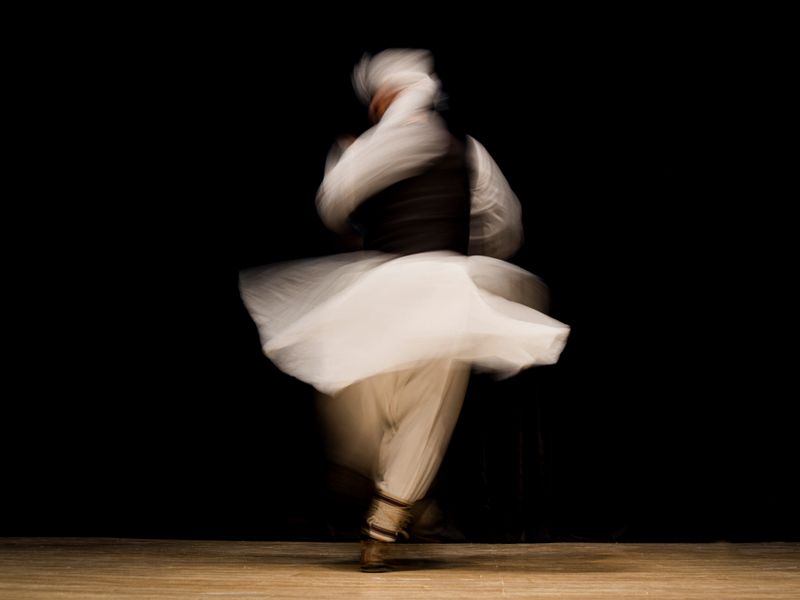
Bhangra is a lively folk dance from Punjab, performed to the beat of the dhol drum during celebrations like Lohri. It involves energetic movements and is often accompanied by singing.

The Sinulog dance mimics the current of the river with a two-steps-forward, one-step-backward motion, performed to honor the Santo Niño during the festival.