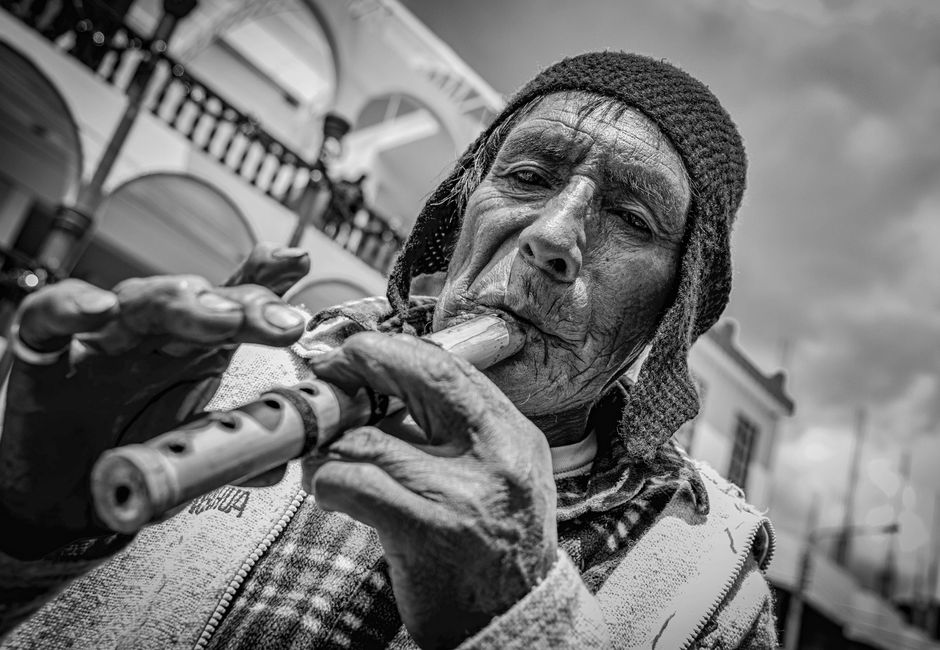
A traditional Andean wind instrument often played during festival processions. Learning the quena requires breath control and an understanding of indigenous melodies.

Participants learn traditional Quechua chants used in rituals to honor Inti, often passed down through generations. This skill requires memorization and understanding of spiritual contexts.

A genre of Swahili music blending African, Arab, and Indian influences, often performed at cultural events like this festival. It requires skill in playing instruments like the oud and singing poetic lyrics.
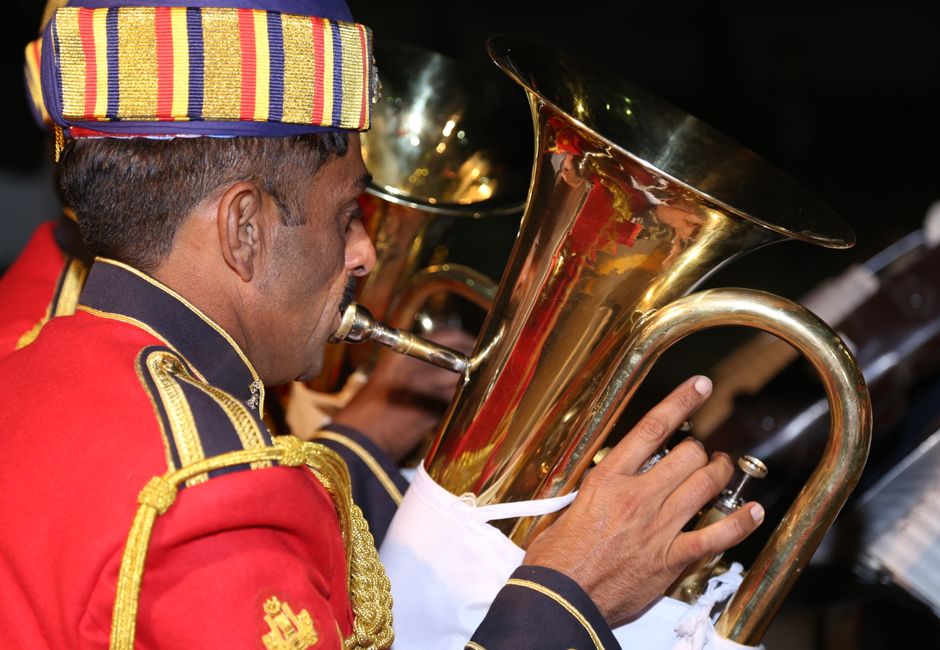
Playing in oompah bands with brass instruments like tubas is a skill learned by many in Bavaria for festivals. It’s central to the Oktoberfest sound.

The marimba, a wooden xylophone, is central to Guatemalan music, and many learn to play it for religious and cultural events. It requires teamwork as it’s often played in pairs.

During gatherings for All Souls’ Day, families often sing old Polish hymns or folk songs to honor the deceased, a practice rooted in rural traditions. It requires knowledge of historical melodies and lyrics.

Playing or singing calypso, a genre rooted in Caribbean culture, is common during Pirates Week, often with steel drums or guitars. It requires rhythmic skill and knowledge of satirical storytelling.

Playing the fiddle in the distinct Shetland style, with its lively and intricate tunes, is a cherished musical tradition often performed during local celebrations. It requires years of practice to master the unique rhythms and bowing techniques.

Samba drumming involves playing complex rhythms on instruments like the surdo and repinique, central to Carnival parades. It requires coordination and stamina to maintain the energetic pace.

Playing the piccolo, a small flute, is central to Fasnacht's musical tradition, with specific tunes passed down through generations. It requires breath control and memorization of complex melodies.
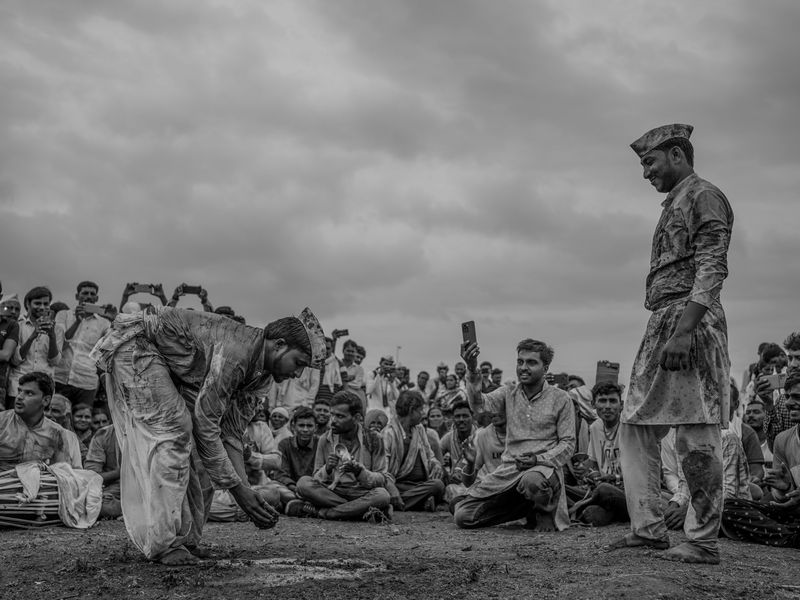
Playing the dhol, a traditional double-sided drum, is a key skill in Punjabi celebrations, providing the rhythmic backbone for dances like Bhangra.
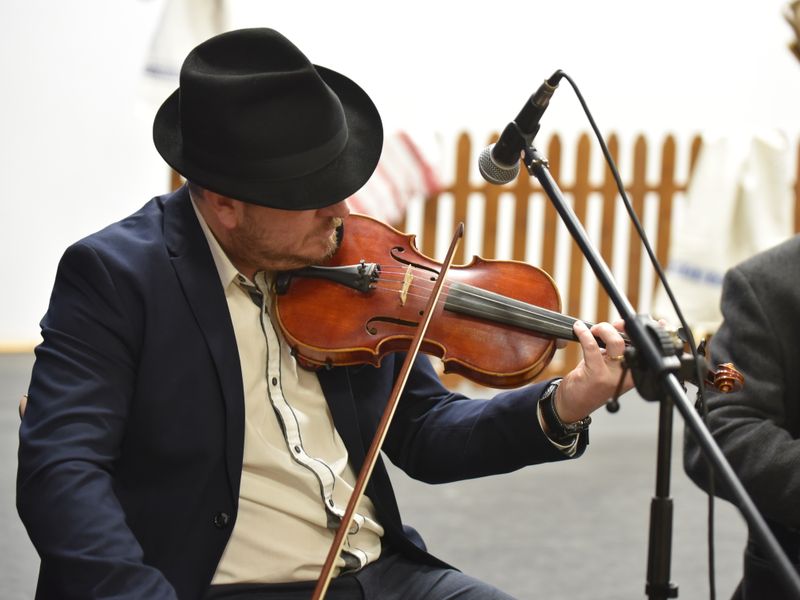
Traditional Canadian fiddle music with Celtic and French influences, featuring lively jigs and reels played at community dances. Learned through local music sessions in rural areas.