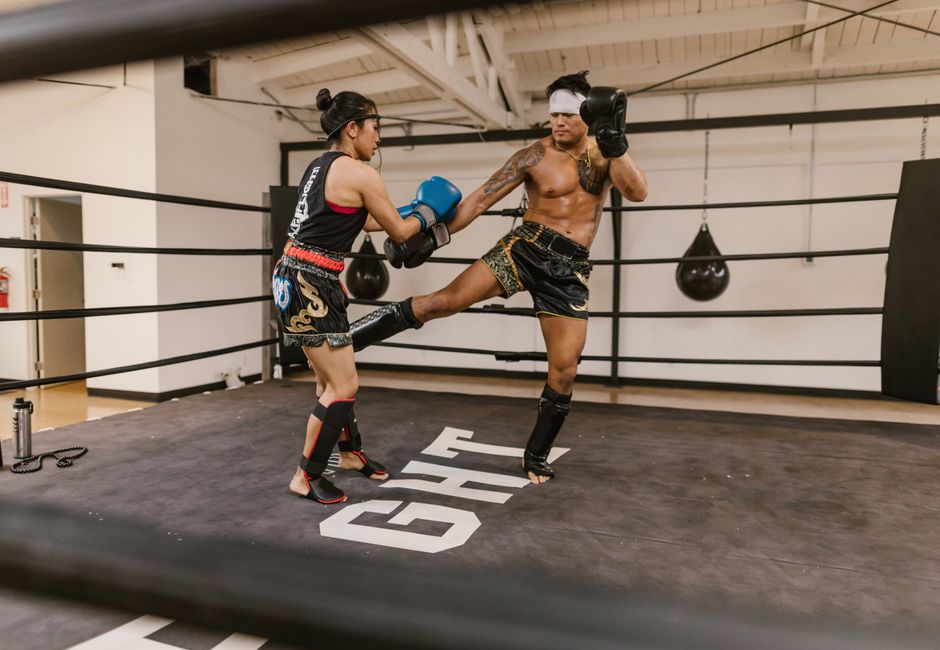
A traditional martial art and combat sport in Thailand, often practiced as a form of cultural expression and physical discipline. Many young Thais learn it for fitness and self-defense.

A valued skill in Seville, especially for Feria parades, where riders showcase control and elegance in traditional equestrian displays.

Arabic calligraphy is a revered art form in Morocco, often learned for religious and decorative purposes, reflecting cultural identity.

The Japanese art of flower arrangement, emphasizing harmony and minimalism, often practiced for temple ceremonies like Hana Matsuri.

Designing elaborate floral displays for festival floats and events. It requires knowledge of local flowers and aesthetic traditions.

A traditional Colombian dance often performed during festivals, blending African, Indigenous, and Spanish influences. It involves fluid hip movements and partnering.

A traditional Andean dance performed during the festival, characterized by elaborate costumes representing historical trade figures. Dancers learn intricate footwork and storytelling through movement.
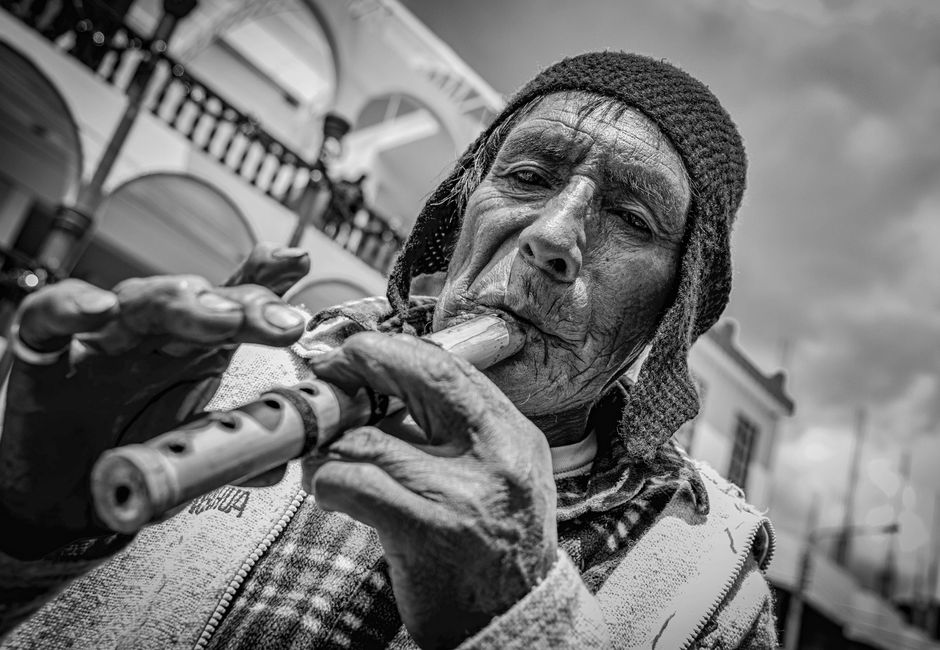
A traditional Andean wind instrument often played during festival processions. Learning the quena requires breath control and an understanding of indigenous melodies.

A traditional craft in Gloucestershire, where locals learn to produce artisanal cheeses like Double Gloucester. It involves knowledge of fermentation and aging processes.

A specialized craft of building ornate festival chariots using wood and fabric, often done communally. It demands carpentry skills and an understanding of symbolic designs.

Preparing large-scale vegetarian meals as offerings, a skill rooted in Ayurvedic principles. Cooks learn to balance flavors without onion or garlic, per Krishna tradition.

Participants learn traditional Quechua chants used in rituals to honor Inti, often passed down through generations. This skill requires memorization and understanding of spiritual contexts.