
Dancers perform synchronized movements in vibrant costumes during Inti Raymi, reflecting Incan history. This requires learning specific steps and rhythms tied to cultural stories.

Teams train to paddle in unison in long, narrow boats adorned with dragon heads, requiring strength and coordination. This sport is central to the festival’s competitive spirit.
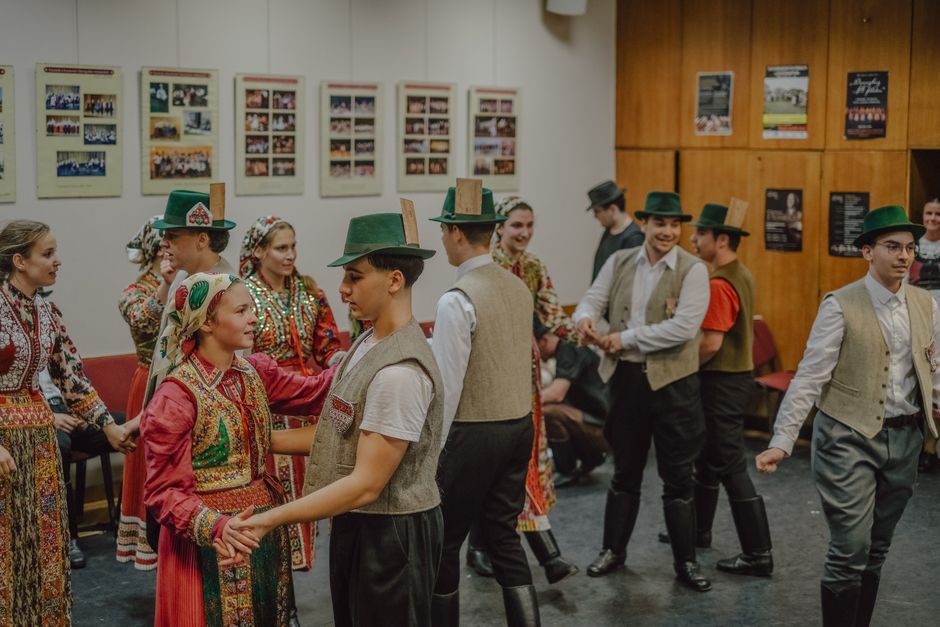
Traditional dances are performed around bonfires during Juhannus, often accompanied by accordion music. Learning these dances involves mastering rhythmic steps tied to Finnish heritage.

This traditional dance is performed to welcome ancestral spirits, with slow, graceful movements varying by region. Learning it on Tsushima involves specific local styles passed through community gatherings.
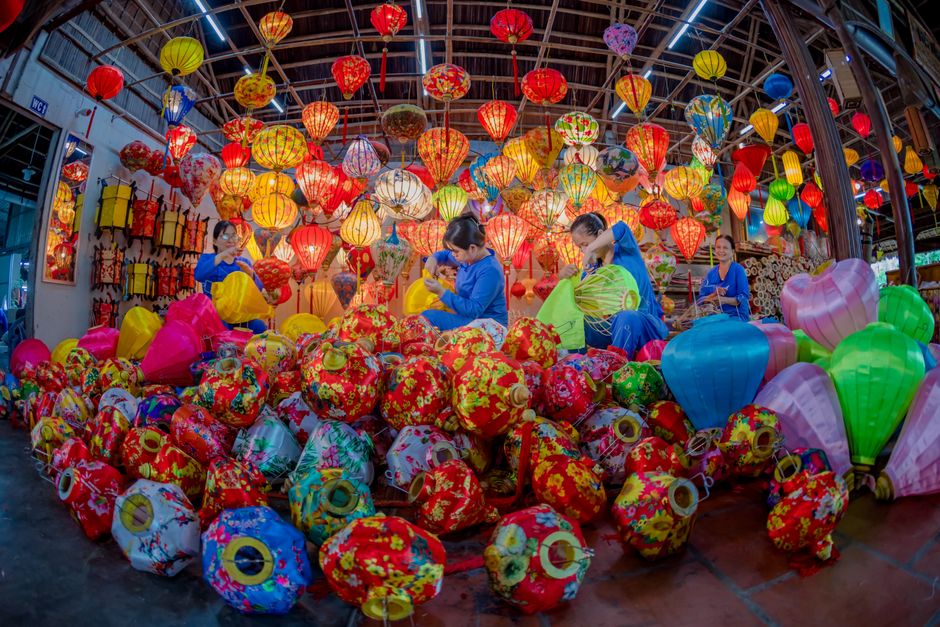
Families create or maintain paper lanterns to guide spirits during Obon, a skill requiring delicate paper folding and calligraphy for inscriptions. It’s often taught within households.
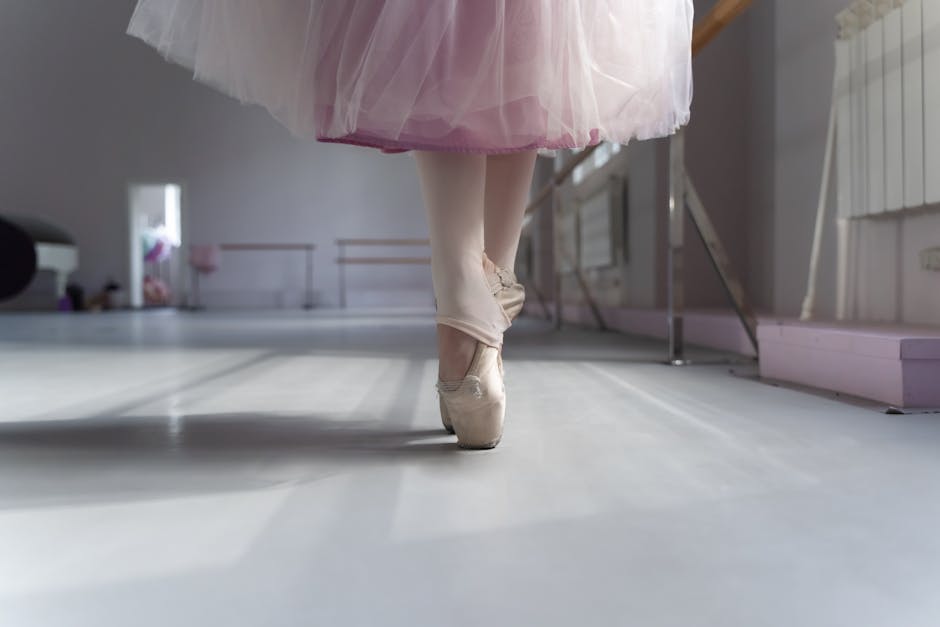
This energetic hip-shaking dance accompanies Punta music, reflecting Garifuna identity. Learning it demands physical agility and cultural understanding of its storytelling role.
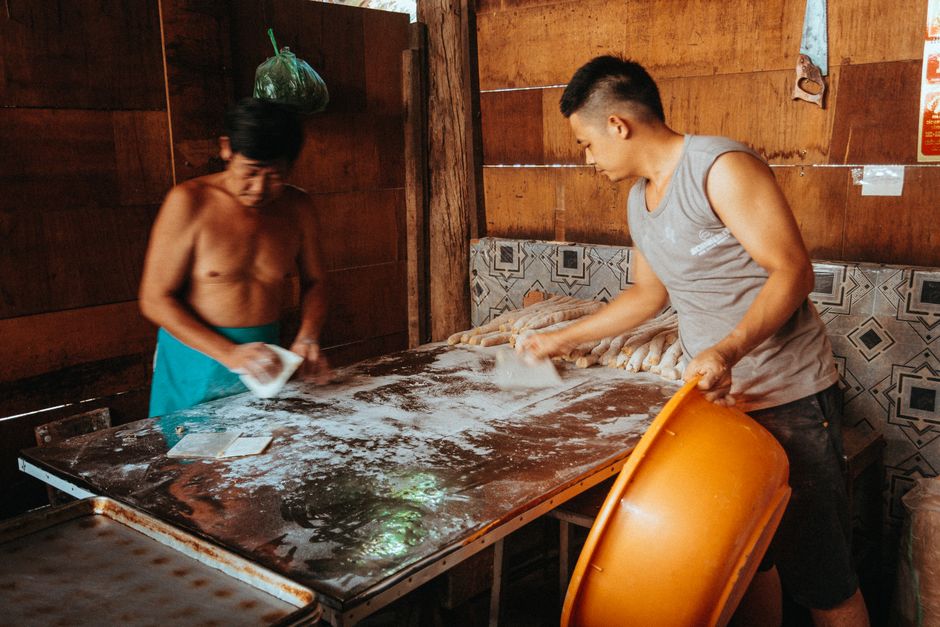
Preparing cassava bread, a Garifuna staple, involves grating and pressing cassava root, a labor-intensive skill preserved by elders. It’s often shared during cultural events.
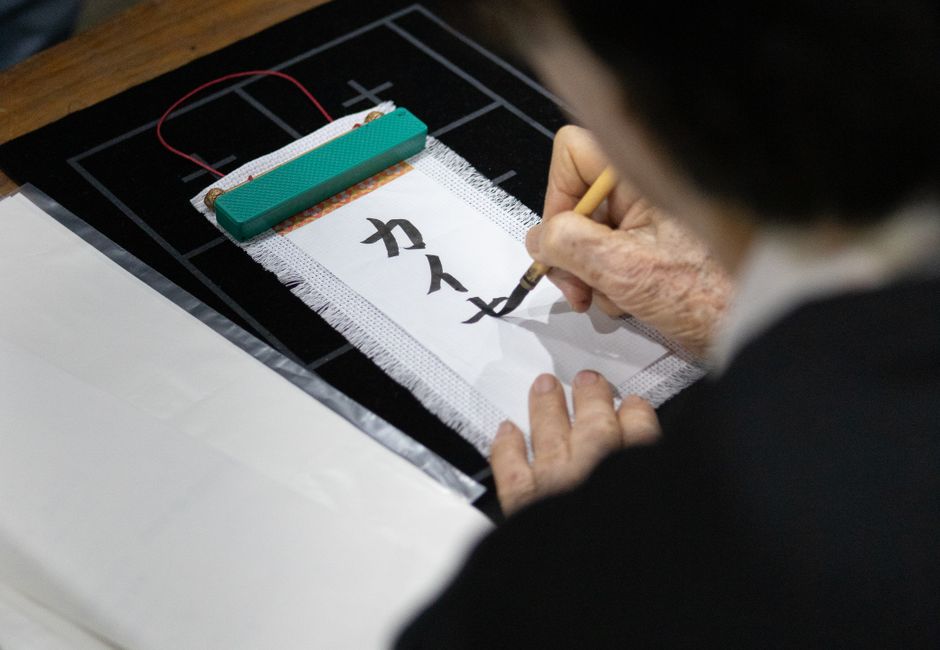
The art of writing Japanese characters with a brush and ink, often practiced in preparation for writing messages or prayers during Obon. It requires focus and precision.

A genre of Swahili music blending African, Arab, and Indian influences, often performed at cultural events like this festival. It requires skill in playing instruments like the oud and singing poetic lyrics.
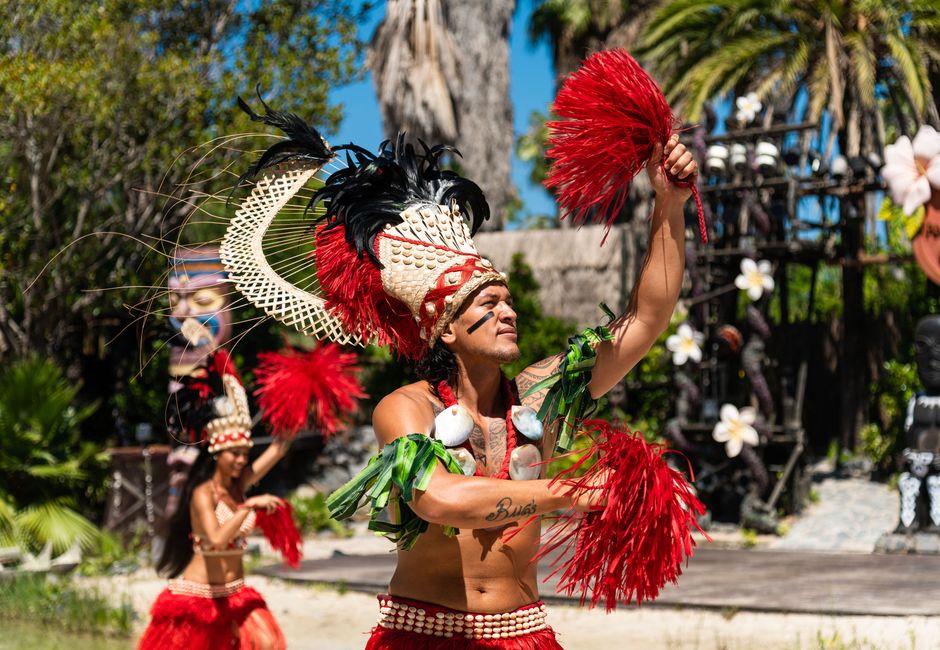
A dynamic dance form with rapid hip movements and expressive storytelling, central to Heiva performances. It requires physical fitness and cultural knowledge.

A lively folk dance from the Navarra region often performed during San Fermín, featuring fast footwork and castanets. It is taught locally and showcases regional pride.

A traditional skill of shaping rice dough into half-moon cakes filled with sweet fillings, often steamed on pine needles for aroma. It’s a family activity requiring delicate handwork.