
Samba drumming involves playing complex rhythms on instruments like the surdo and repinique, central to Carnival parades. It requires coordination and stamina to maintain the energetic pace.

Participants paint intricate, satirical designs on large lanterns for the Fasnacht parades, a skill requiring artistic precision. These lanterns often critique current events or local issues.

Playing the piccolo, a small flute, is central to Fasnacht's musical tradition, with specific tunes passed down through generations. It requires breath control and memorization of complex melodies.

The haka is a traditional Māori war dance performed at cultural events like Waitangi Day, requiring strength, coordination, and emotional expression. It often conveys messages of unity or challenge.

Waka Ama, or Māori canoe racing, is a popular sport often featured in Waitangi Day events, involving teamwork and paddling skills. It connects to ancestral voyaging traditions.
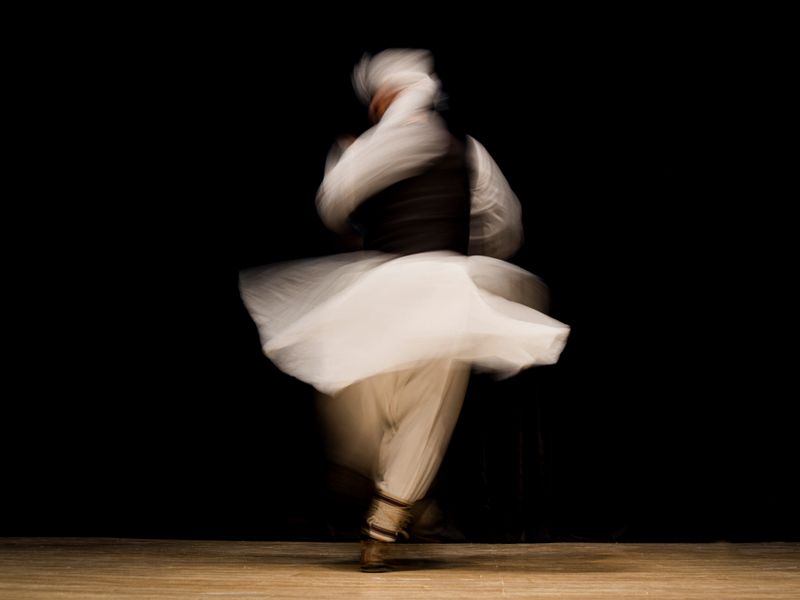
Bhangra is a lively folk dance from Punjab, performed to the beat of the dhol drum during celebrations like Lohri. It involves energetic movements and is often accompanied by singing.
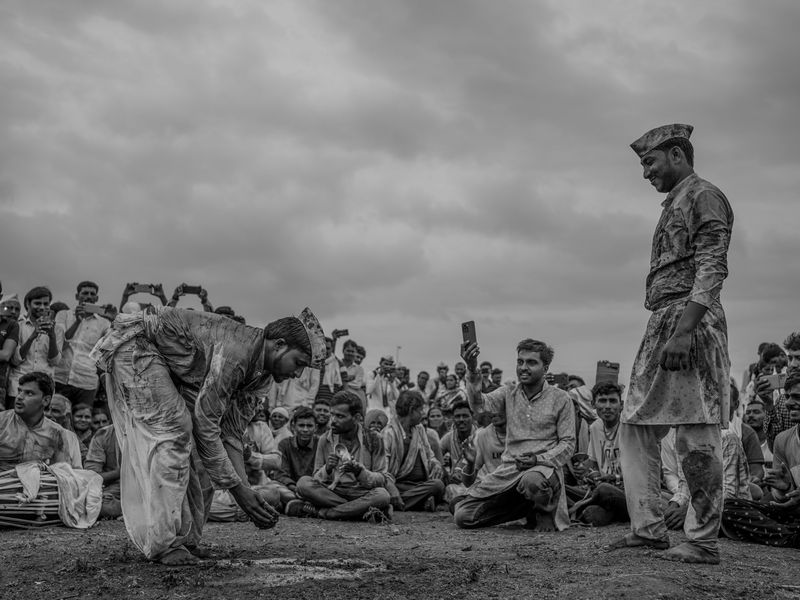
Playing the dhol, a traditional double-sided drum, is a key skill in Punjabi celebrations, providing the rhythmic backbone for dances like Bhangra.

Creating kolam, intricate patterns made with rice flour or chalk at doorsteps, is a traditional skill practiced by Tamil women during Pongal to invite prosperity.

The Sinulog dance mimics the current of the river with a two-steps-forward, one-step-backward motion, performed to honor the Santo Niño during the festival.
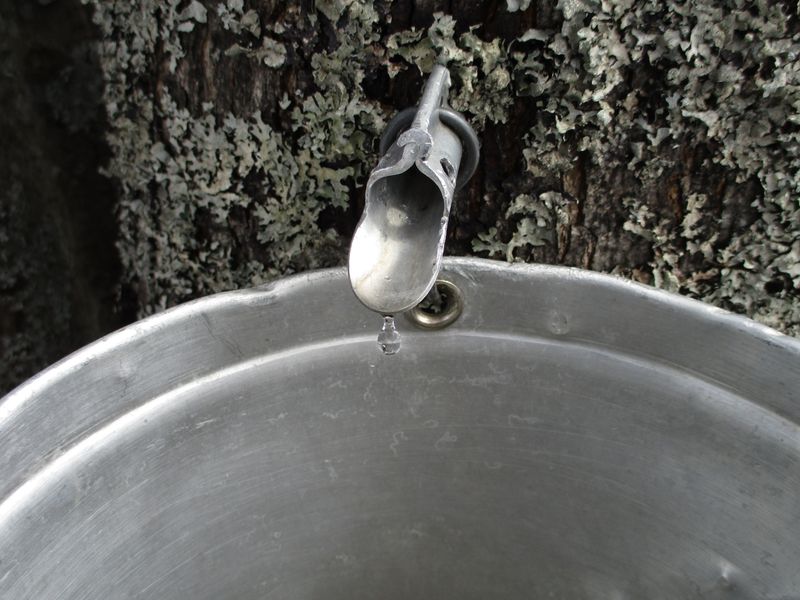
Involves identifying mature sugar maple trees, drilling taps, and collecting sap in buckets during late winter thaw. It's a seasonal craft passed down generations in Canadian forests.
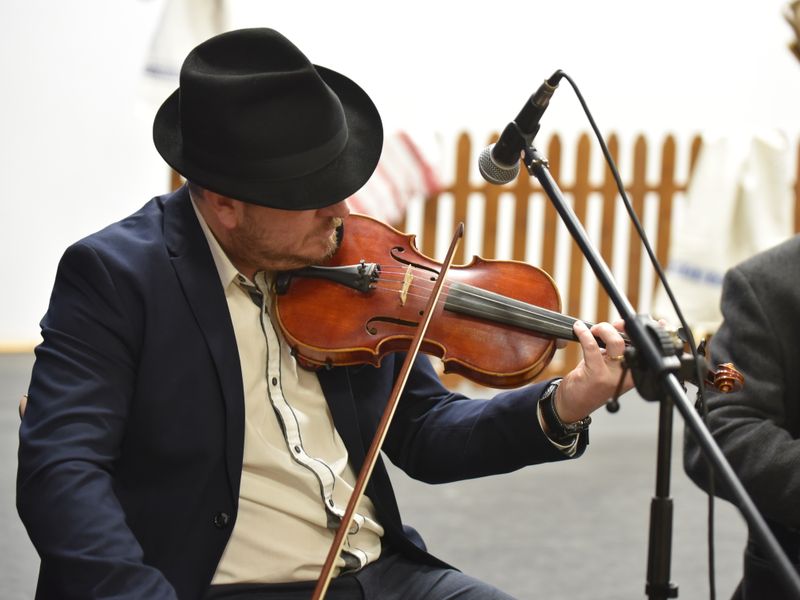
Traditional Canadian fiddle music with Celtic and French influences, featuring lively jigs and reels played at community dances. Learned through local music sessions in rural areas.