
Dancers perform synchronized movements in vibrant costumes during Inti Raymi, reflecting Incan history. This requires learning specific steps and rhythms tied to cultural stories.

Teams train to paddle in unison in long, narrow boats adorned with dragon heads, requiring strength and coordination. This sport is central to the festival’s competitive spirit.
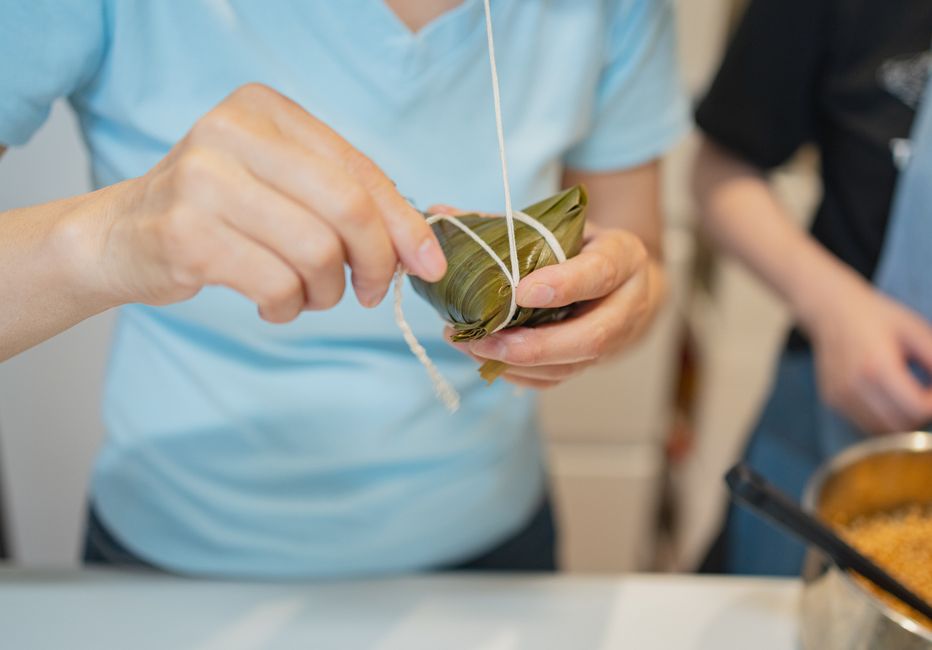
Wrapping sticky rice in bamboo leaves to create zongzi is a traditional culinary skill, often taught by elders. It involves precise folding to ensure the dumplings hold during steaming.
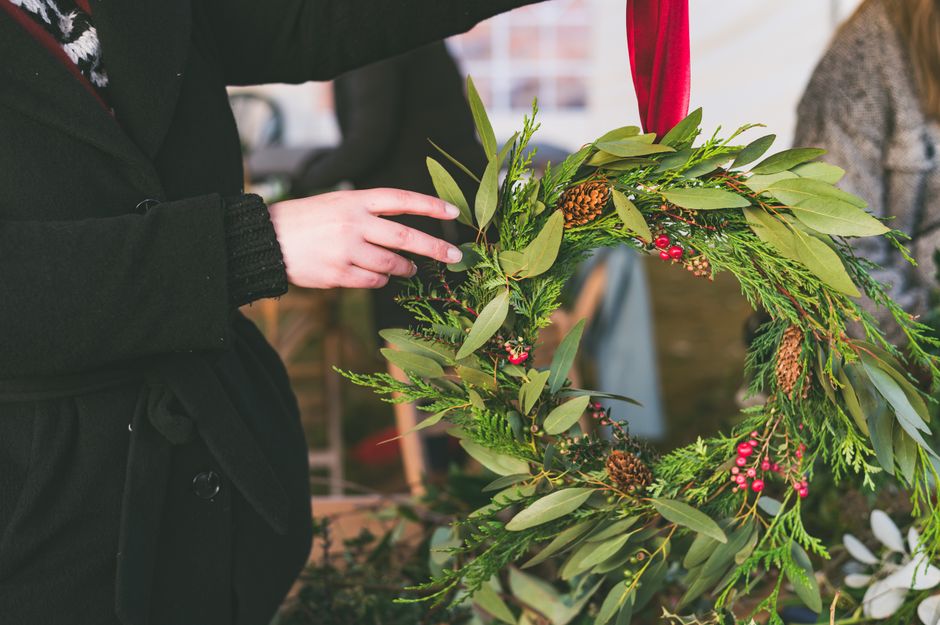
Crafting wreaths from wildflowers to wear or hang is a cherished Midsummer tradition, symbolizing renewal. It requires knowledge of local flora and simple weaving techniques.
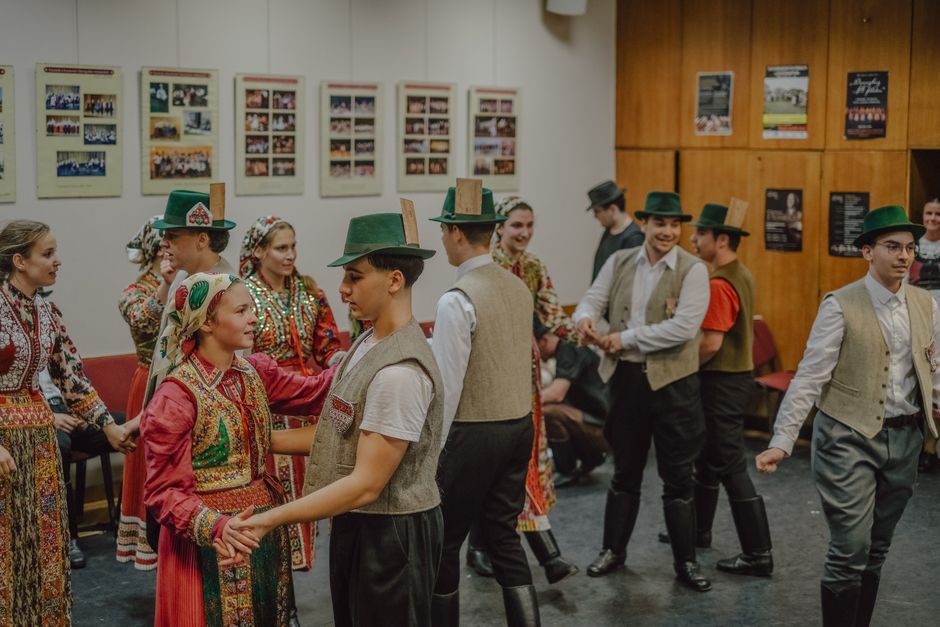
Traditional dances are performed around bonfires during Juhannus, often accompanied by accordion music. Learning these dances involves mastering rhythmic steps tied to Finnish heritage.
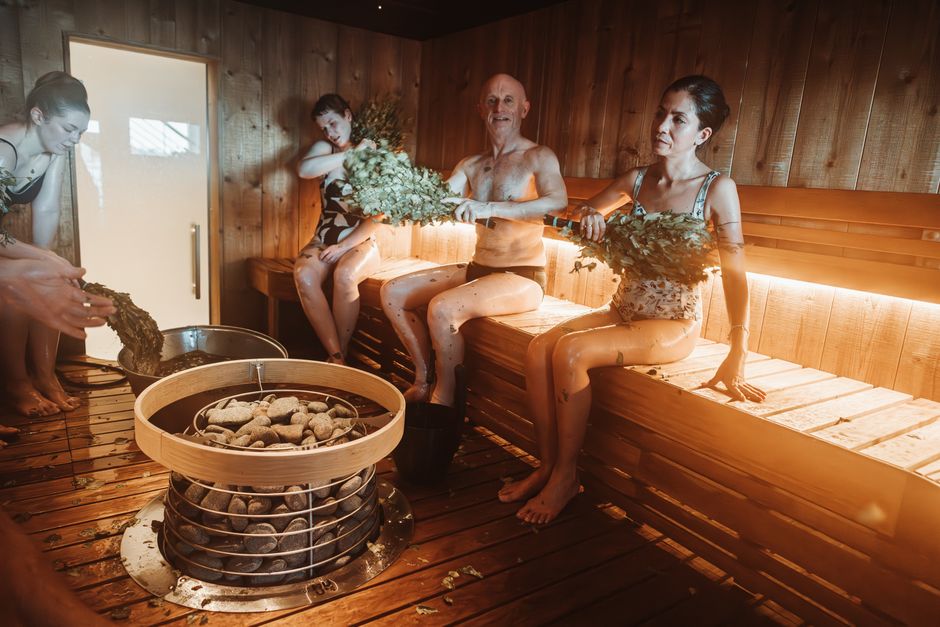
Sauna bathing is a cultural cornerstone in Finland, especially during Midsummer, involving rituals like birch branch whisking for cleansing. It requires understanding proper heating and etiquette.

This traditional dance is performed to welcome ancestral spirits, with slow, graceful movements varying by region. Learning it on Tsushima involves specific local styles passed through community gatherings.
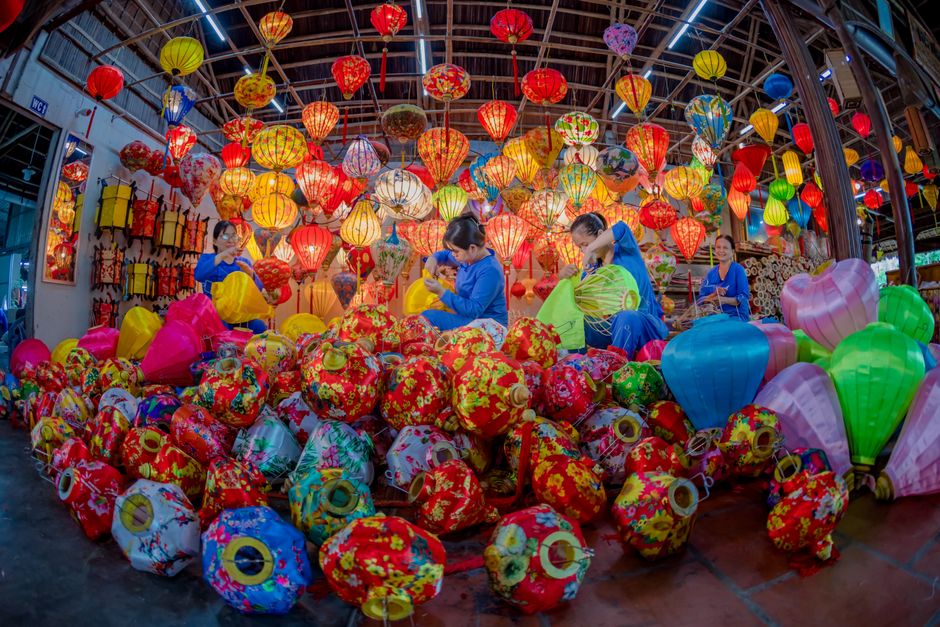
Families create or maintain paper lanterns to guide spirits during Obon, a skill requiring delicate paper folding and calligraphy for inscriptions. It’s often taught within households.
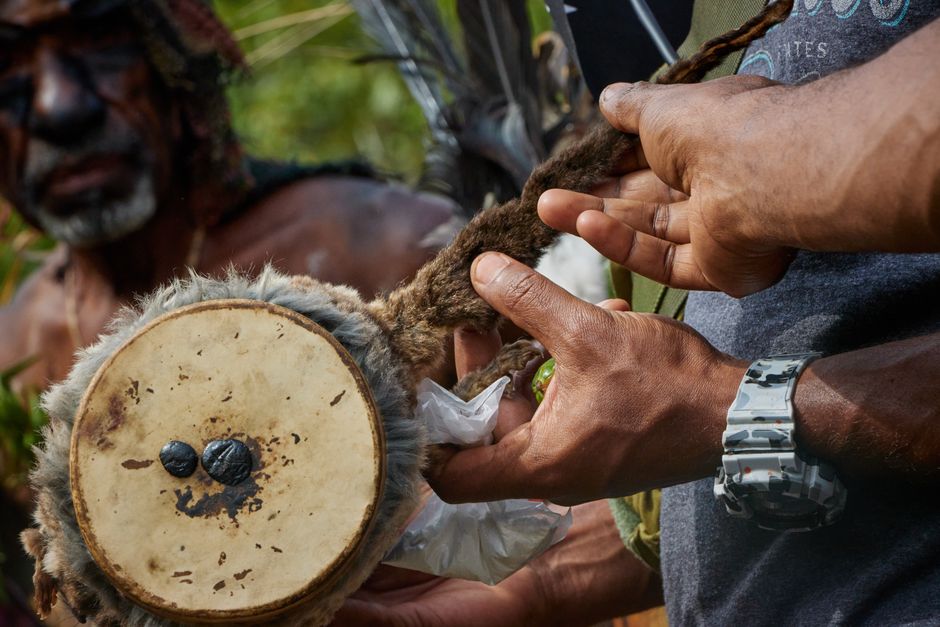
Playing traditional Garifuna drums for Punta music is a core skill, requiring rhythm mastery and knowledge of call-and-response patterns. It’s central to celebrations and taught communally.
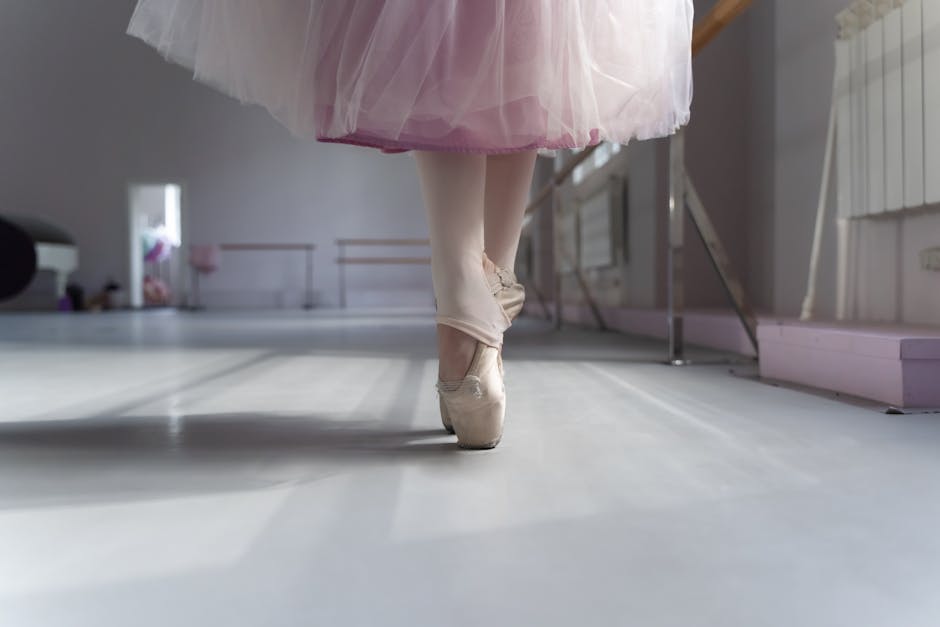
This energetic hip-shaking dance accompanies Punta music, reflecting Garifuna identity. Learning it demands physical agility and cultural understanding of its storytelling role.
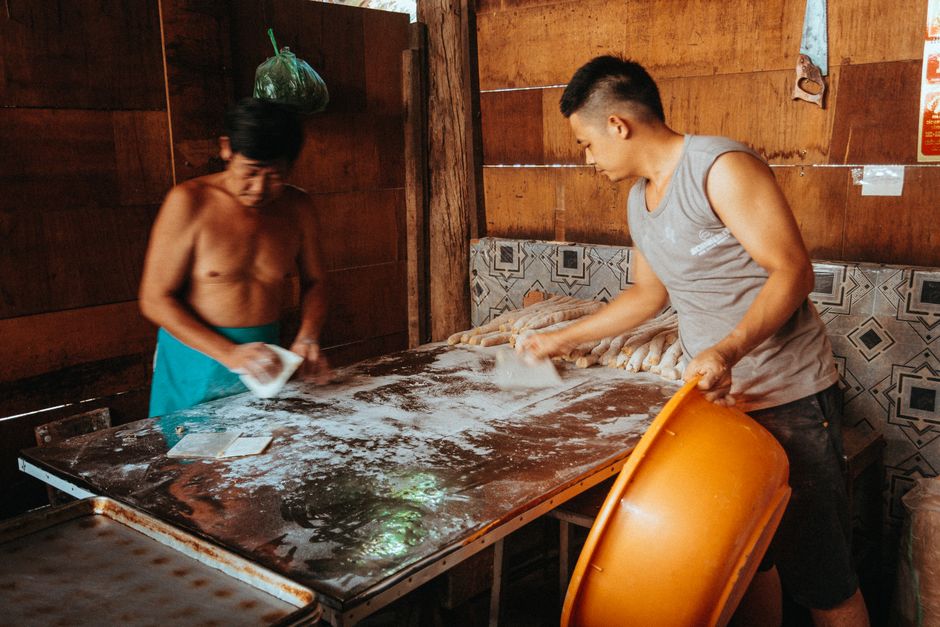
Preparing cassava bread, a Garifuna staple, involves grating and pressing cassava root, a labor-intensive skill preserved by elders. It’s often shared during cultural events.
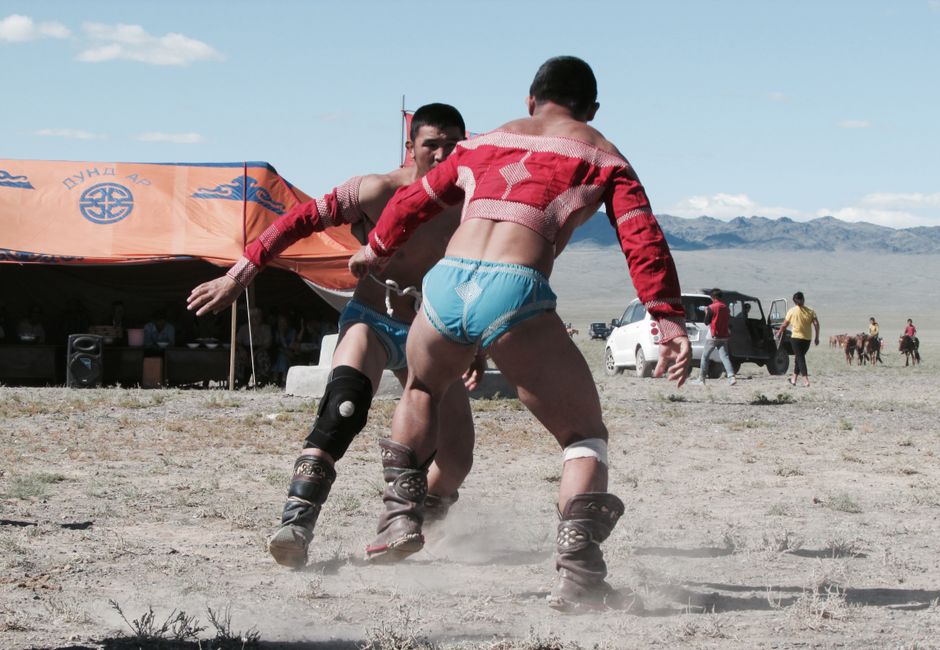
A traditional form of wrestling where competitors aim to throw their opponent to the ground, requiring immense strength and technique. It is a central part of Naadam and a source of national pride.