
Crafting mooncakes involves intricate techniques to create the pastry dough and fillings like red bean or lotus seed paste. It often requires precision to imprint traditional designs on the cakes.

Writing poetry or auspicious phrases during the festival using traditional brush and ink is a cherished skill. It reflects cultural values of literacy and artistry in Chinese communities.
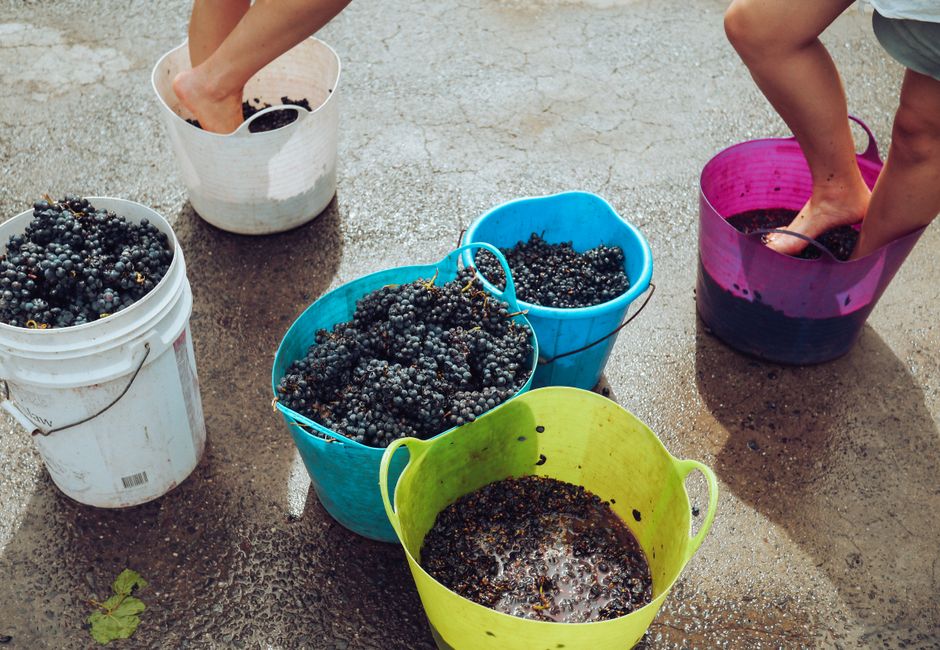
A traditional method of crushing grapes by foot, often done during harvest festivals as a communal activity. It requires stamina and coordination to press grapes evenly.

Locals learn to identify flavors and pair wines with foods, a skill integral to Mendoza’s wine culture. It involves a refined palate developed over years of exposure.

Dancers wear heavy, layered costumes and perform vigorous routines to embody ancestral spirits. This skill requires physical endurance and cultural knowledge passed through families.

Oral poets perform lineage praises during the festival, recounting family histories and honoring ancestors. This skill demands memorization and a deep understanding of Yoruba language and culture.

A traditional Scottish sport where participants toss a large wooden pole to land as straight as possible. It requires immense strength, balance, and technique honed over years.

A competitive dance form performed at the Gathering, featuring precise steps like the Highland Fling. It demands agility and years of training in traditional Scottish styles.

Playing the Great Highland Bagpipe is a cultural cornerstone, often performed at the games. Mastery involves learning complex tunes and maintaining breath control.
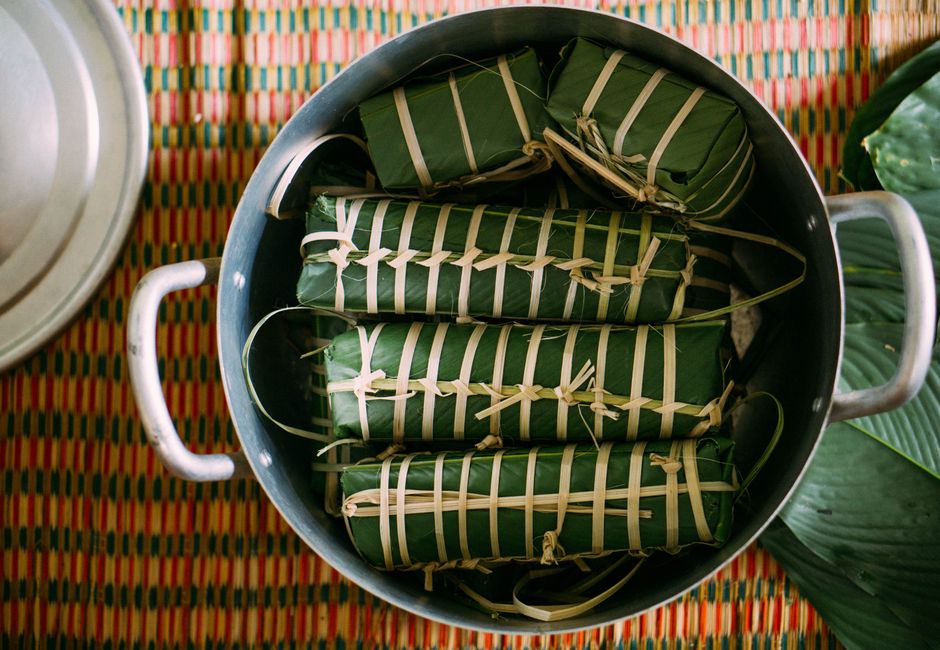
Preparing offerings like sticky rice balls (bay ben) for ancestors is a common skill during Pchum Ben. It involves specific recipes and techniques passed down through generations.

Reciting Pali chants during pagoda visits is a spiritual skill learned by many Cambodians. It requires memorization and an understanding of Buddhist teachings.

Creating intricate rangoli patterns with colored powders or flowers is a skill learned by many Indo-Fijian women to decorate home entrances. It symbolizes welcome and prosperity.