
Waitangi Day, celebrated on February 6th, marks the signing of the Treaty of Waitangi in 1840 between Māori chiefs and the British Crown. Events include ceremonies, cultural performances, and community gatherings at the Waitangi Treaty Grounds and across the country. It’s a day of reflection on national identity and history.

This annual festival celebrates the indigenous and settler tradition of maple syrup production, featuring live tapping demonstrations, sugar shack tours, and tastings of syrup-based foods. Local artisans showcase woodcraft and indigenous storytelling. It's a key event marking the end of winter in rural Ontario communities.
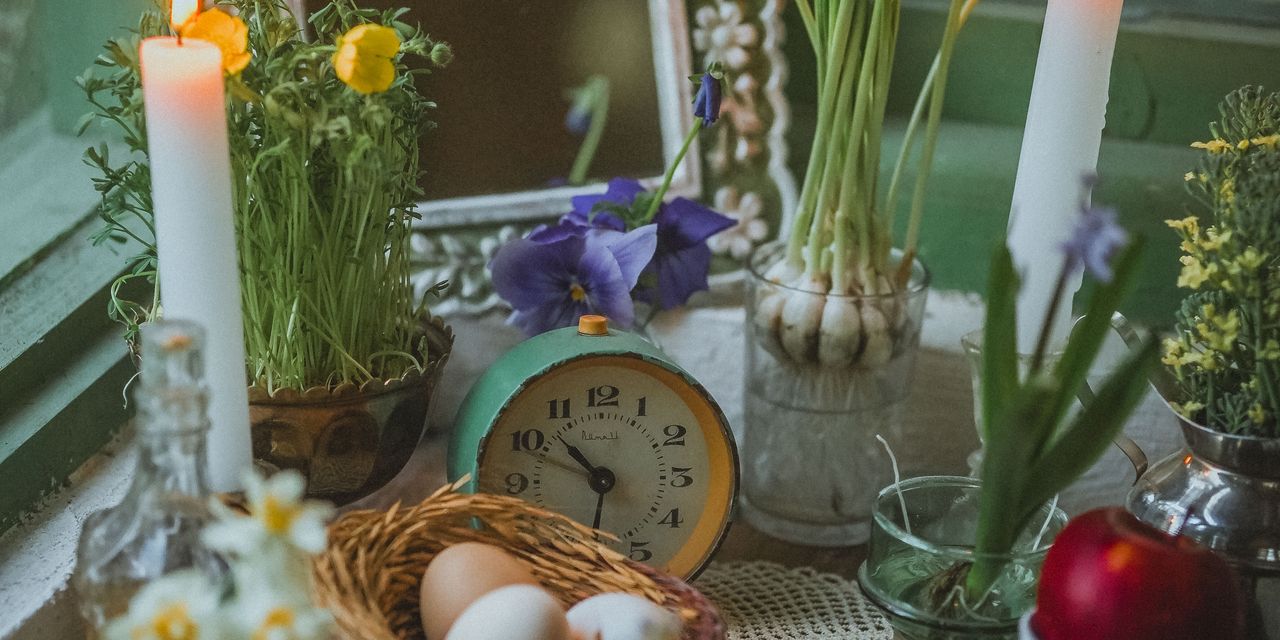
The Baha'i New Year begins with picnics, prayers, and setting a 'Haft-Sin' table with seven symbolic items representing renewal. Families gather for feasts and reflection on unity. Observed globally by Baha'is but rooted in Persian culture, it's a quiet spiritual observance.

Songkran is the Thai New Year, celebrated with massive water fights in the streets to symbolize washing away bad luck. The festival includes temple visits, merit-making, and pouring water on Buddha statues as a sign of respect. It’s a vibrant, community-wide event uniting families and friends.

Held two weeks after Easter, Feria de Abril is a week-long fair in Seville celebrating Andalusian culture with flamenco, bullfighting, and horse parades. Locals dress in traditional attire, and the city transforms into a festive hub with colorful tents called 'casetas.' It’s a deeply rooted event showcasing regional pride.

Hana Matsuri, or Flower Festival, celebrates Buddha’s birthday on April 8 with quiet temple ceremonies across Japan. Participants pour sweet tea over small Buddha statues and decorate altars with flowers, symbolizing purity and renewal. It’s a lesser-known observance outside Buddhist communities, overshadowed by larger Japanese festivals.

Held in early May in Panama, Costa Rica and Colombia, this festival honors the region’s flower and coffee culture with parades, beauty pageants, and agricultural exhibits. It showcases the importance of coffee production to local identity.
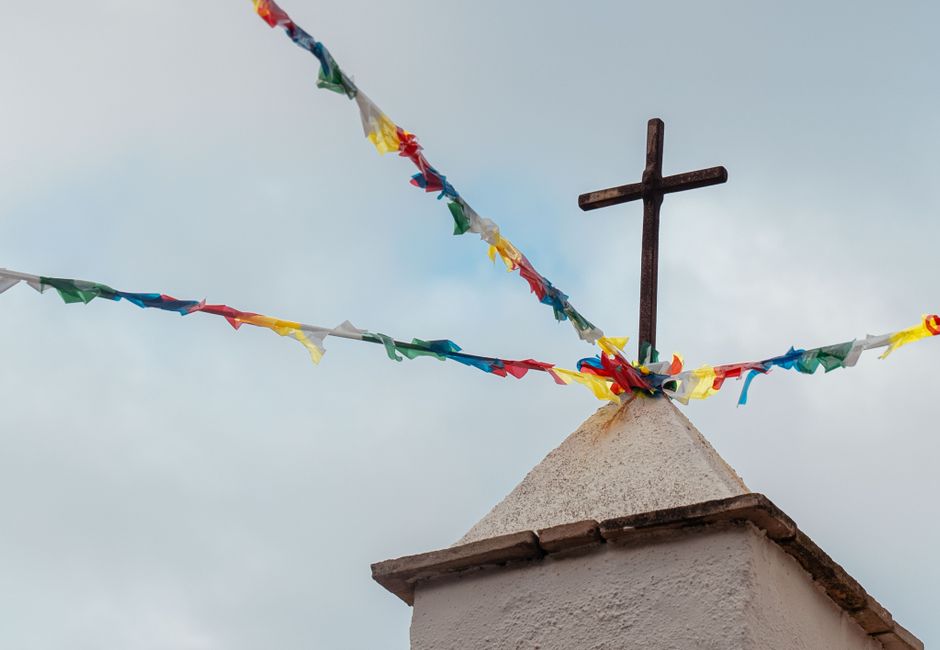
Celebrated annually in May, Fiesta de la Cruz is a religious and cultural festival honoring the Holy Cross. The event features processions, traditional music, and colorful decorations of crosses with flowers and ribbons.

Held annually on the last Monday of May, this quirky and dangerous event involves participants chasing a wheel of Double Gloucester cheese down a steep hill. Dating back centuries, it’s a local tradition with obscure origins, possibly tied to pagan rituals or land rights. It attracts global attention but remains a niche cultural oddity.
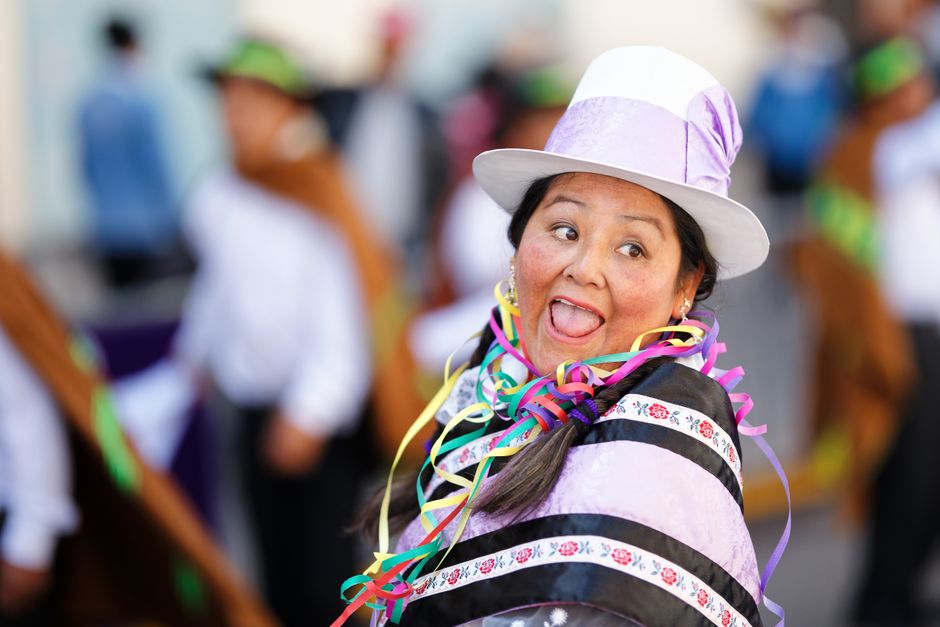
Inti Raymi, or the Festival of the Sun, is a historic Incan celebration held annually to honor the sun god Inti, marking the winter solstice in the Southern Hemisphere. The event features colorful processions, traditional music, and reenactments of ancient rituals at the Sacsayhuamán fortress. It draws both locals and tourists to celebrate Andean heritage.

Celebrated on the 5th day of the 5th lunar month, the Dragon Boat Festival commemorates the ancient poet Qu Yuan with dragon boat races, sticky rice dumplings (zongzi), and rituals to ward off evil spirits. It’s a vibrant event rooted in Chinese folklore, observed widely across the country and in Chinese communities worldwide. In 2026, it falls in June.

Juhannus, or Midsummer, is a major holiday in Finland celebrating the summer solstice with bonfires, lake-side gatherings, and traditional folklore. Held during the longest days of the year, it’s a time for Finns to escape to the countryside, enjoy nature, and participate in age-old customs like collecting wildflowers for wreaths. It typically occurs around June 20-26.