
Naadam is a traditional festival in Mongolia, often referred to as the 'Three Manly Games,' celebrated annually in July. It features competitions in wrestling, horse racing, and archery, showcasing the nomadic heritage of the Mongolian people. The event is a national holiday and includes vibrant cultural performances and communal feasting.
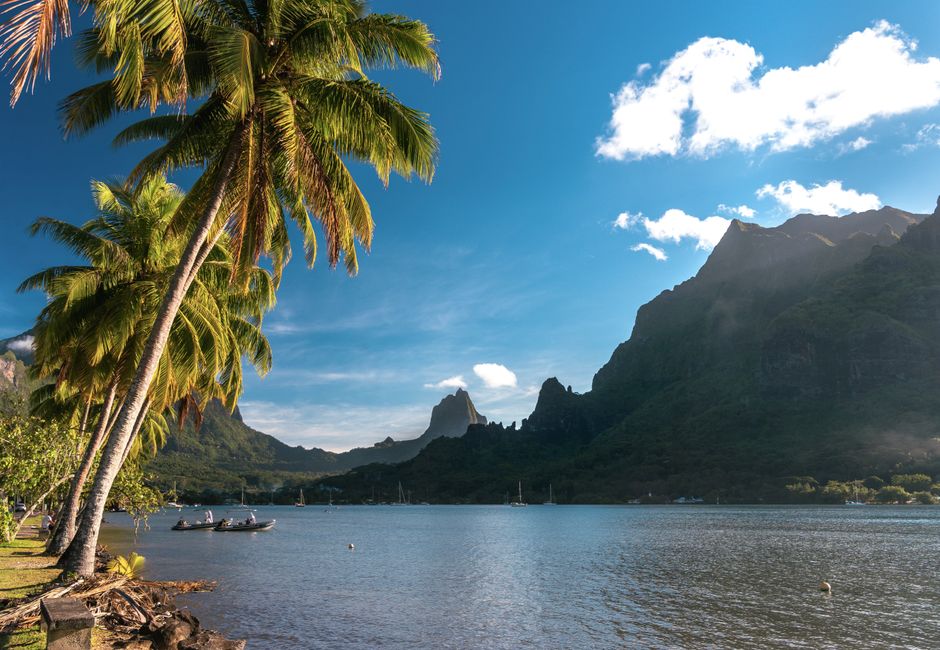
Heiva i Tahiti is a major cultural festival held in July in Papeete, celebrating Polynesian heritage through dance, music, and traditional sports. It features competitions in outrigger canoe racing and elaborate dance performances that tell ancestral stories. Though lesser-known globally, it is a cornerstone of Tahitian identity.
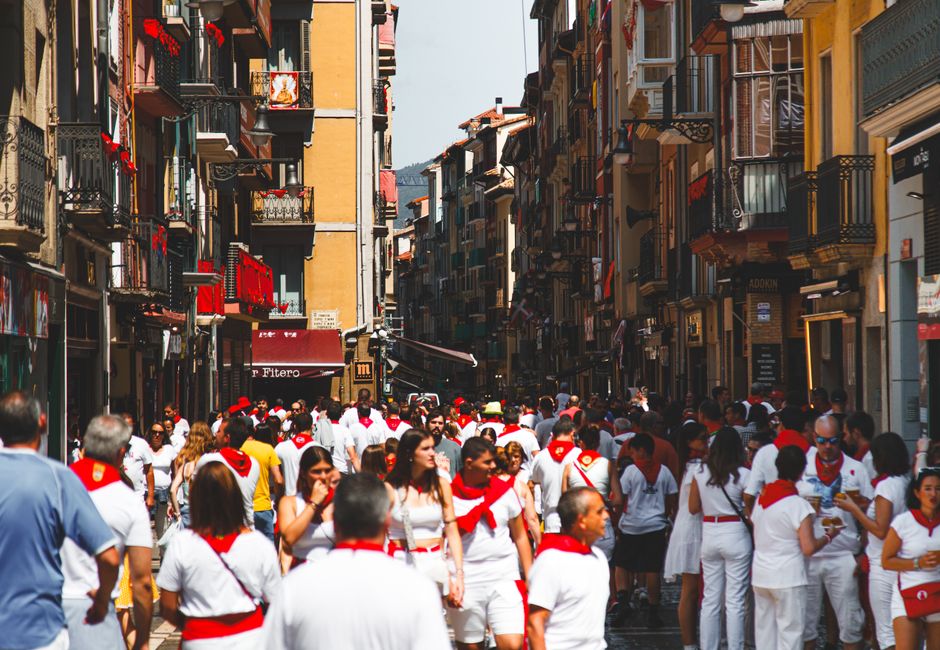
San Fermín, held annually from July 6-14 in Pamplona, is one of Spain’s most famous festivals, known for the Running of the Bulls. Beyond the thrill, it includes religious processions, traditional music, and communal celebrations honoring Saint Fermín, the city’s patron saint. It draws global attention but retains deep local significance.

While the main Bon Festival occurs later, August in Taiwan sees preparatory rituals for the Festival of the Hungry Ghosts, including temple ceremonies and offerings to appease wandering spirits. This lesser-known aspect of Taoist and Buddhist culture involves community participation in cleansing rituals. It reflects deep ancestral reverence unique to the region.
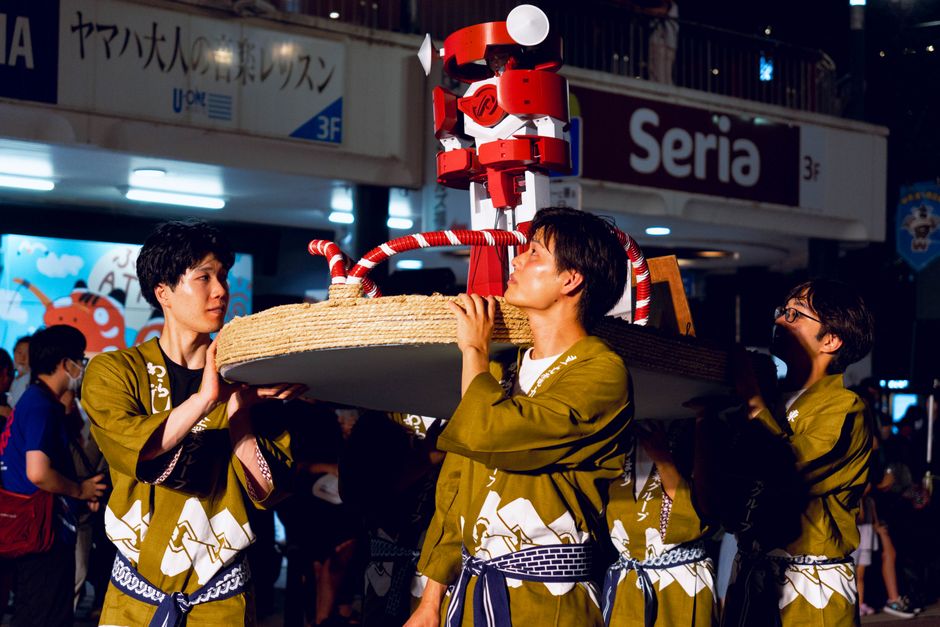
While Obon is often held in July or August elsewhere, some regions like Tsushima Island observe this Buddhist festival in June to honor ancestors with lantern lighting and family reunions. Lesser-known compared to mainland celebrations, it includes unique local dances and offerings at gravesites. It’s a quiet, reflective event tied to familial piety.

Obon is a Japanese Buddhist custom to honor the spirits of one's ancestors, typically held in mid-July of the Gregorian calendar. Families return to their hometowns, clean graves, and light lanterns to guide spirits back home, often culminating in communal dances called Bon Odori. It’s a time of reflection and family reunion.

While Chuseok, the Korean harvest festival, often falls in September, preparatory rituals and smaller local events begin in late August in rural areas. Families start crafting songpyeon (rice cakes) and honoring ancestors through early ceremonies. These August activities are less known outside Korea but are vital to the cultural buildup.

The Mid-Autumn Festival, celebrated on the 15th day of the 8th lunar month, typically falls in September. It is a time for family reunions, moon-gazing, and giving thanks for the harvest, with mooncakes being a central traditional treat. This festival is widely observed across China and other East Asian communities, symbolizing unity and harmony.

Held annually in September, the Fiesta de la Vendimia celebrates the grape harvest in Mendoza, Argentina’s wine region. This lesser-known regional event features parades, music, and the election of a harvest queen, showcasing the area’s viticulture heritage. It draws locals and wine enthusiasts to honor the labor and culture of winemaking.

The Egungun Festival, held in September in parts of Yorubaland, particularly Oyo, Nigeria, honors ancestral spirits through elaborate masquerades. Costumed performers, representing the spirits of the deceased, dance through communities to bless and connect with the living. This lesser-known event is a profound expression of Yoruba spiritual beliefs and community ties.

Held on the first Saturday of September in Braemar, Scotland, the Braemar Gathering is one of the most famous Highland Games, attracting visitors to witness traditional Scottish sports and culture. Events include caber tossing, tug-of-war, and Highland dancing, often attended by members of the British Royal Family. It celebrates Scottish heritage with a mix of competition and festivity.

Pchum Ben, a 15-day Buddhist festival in September or early October, is a significant Cambodian observance to honor deceased ancestors. Families visit pagodas to offer food and pray for their loved ones’ spirits, believing the gates of hell open during this time. This lesser-known event outside Cambodia reflects deep spiritual traditions and familial duty.