
In October, the Indo-Fijian community begins preparations for Diwali, the Festival of Lights, with cleaning, decorating homes, and crafting clay lamps. While Diwali often falls in late October or early November, the lead-up activities dominate the month, focusing on renewal and community bonding. This reflects the significant Indian diaspora in Fiji and their cultural retention.
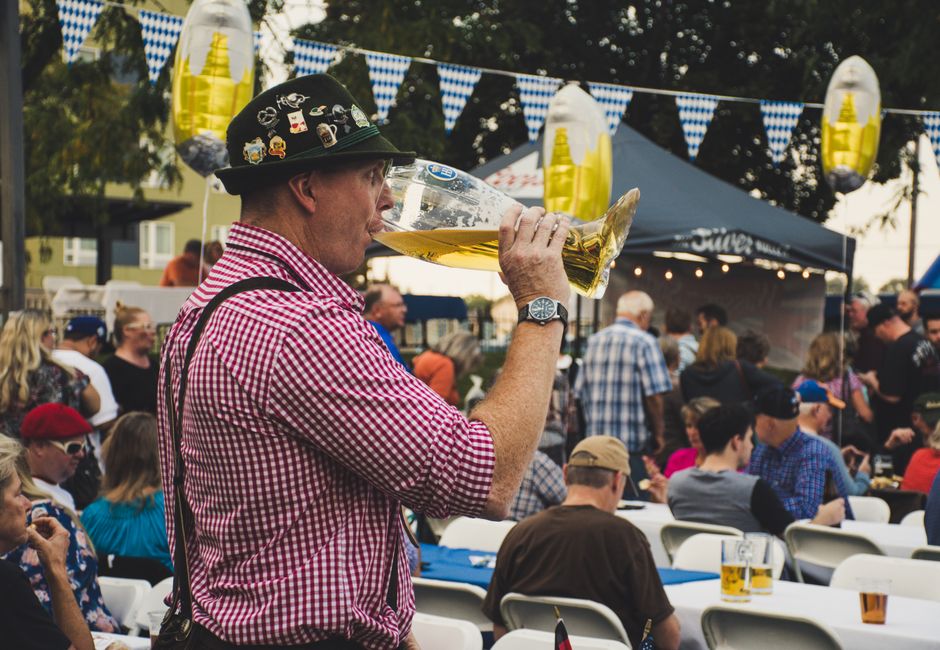
Oktoberfest, the world's largest beer festival, begins in late September and extends into the first weekend of October, celebrating Bavarian culture with beer tents, traditional food, and music. Held in Munich, it attracts millions globally but remains rooted in local customs. Parades and carnival rides add to the festive atmosphere.

Held in October in the Peloponnese region, this small festival celebrates the start of the olive harvest with communal picking, olive oil tastings, and traditional music. It highlights the importance of olives in Greek culture and cuisine, often involving entire families. Visitors can participate in hands-on activities and learn about local farming.

Celebrated in October in Chiantla, this lesser-known religious festival honors the Black Christ with pilgrimages, processions, and offerings. It blends Catholic and indigenous Mayan traditions, featuring candle-lit vigils and marimba music. The event draws local devotees seeking blessings and healing.
While Garifuna Settlement Day is officially in November, June marks the beginning of cultural preparations in small communities like Hopkins, with drumming workshops and dance rehearsals. This lesser-known buildup celebrates the Garifuna people’s Afro-Caribbean heritage through music and storytelling. It’s a deeply local event often overlooked by outsiders.

Diwali, one of the most significant Hindu festivals, is celebrated with immense joy across India in November 2026, symbolizing the victory of light over darkness and good over evil. Families light oil lamps called diyas, decorate homes with rangoli (colorful patterns), and exchange sweets and gifts. Fireworks illuminate the night sky as communities come together for prayers and feasts.
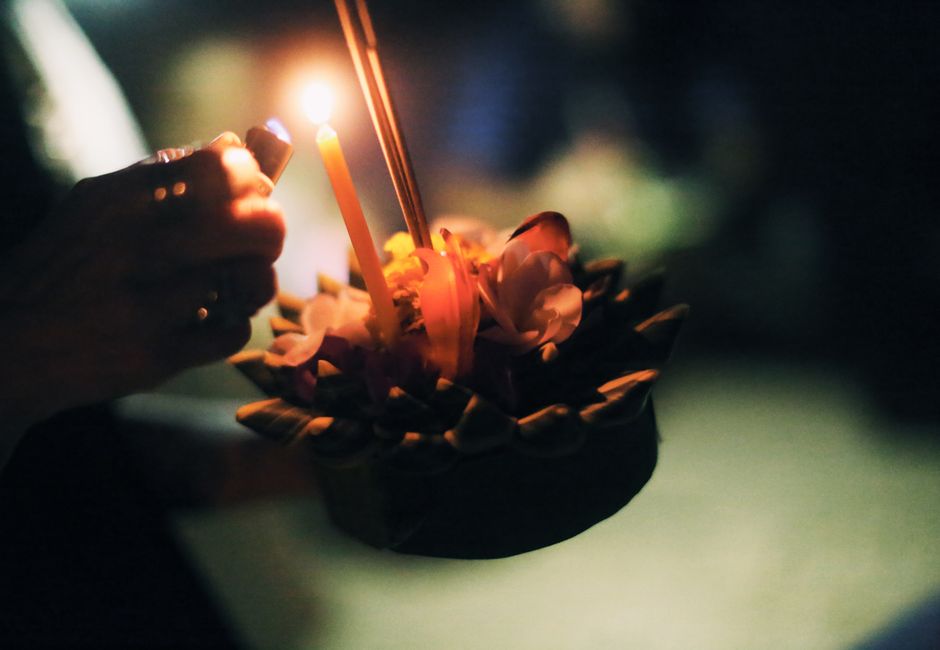
Loi Krathong, celebrated on the full moon of the 12th lunar month (often in November), is a serene festival in Thailand where people release floating baskets (krathongs) made of banana leaves into rivers to honor the water goddess and let go of misfortunes. In 2026, it will likely fall in early November, with lanterns lighting up the sky and local performances adding to the charm. It’s a time for gratitude and renewal in Thai culture.

Celebrated on November 1st and 2nd, All Saints’ Day and All Souls’ Day are deeply significant in Poland, where families honor the dead by visiting cemeteries, lighting candles, and placing flowers on graves. The glow of thousands of candles creates a poignant atmosphere as communities remember their ancestors. This observance reflects the strong Catholic traditions and familial bonds in Polish culture.
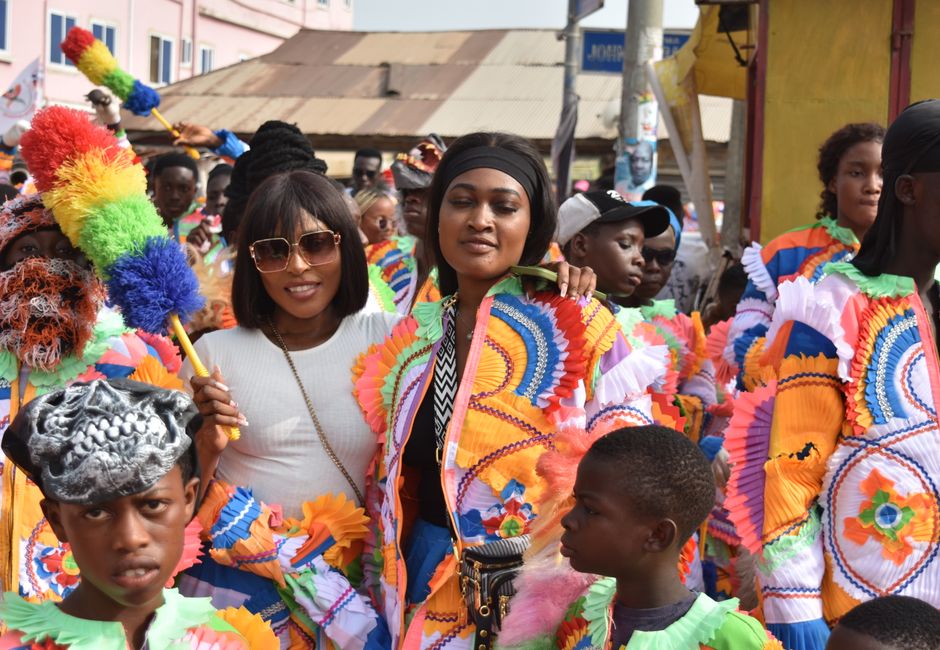
The Awuru Odo Festival, held by the Igbo people in Enugu State, Nigeria, typically occurs around November biennially, marking the return of ancestral spirits called Odo to the living world. In 2026, this lesser-known festival will feature masquerades, drumming, and communal feasts as villagers honor their lineage through rituals and storytelling. It’s a profound expression of Igbo cosmology and community ties.

Pirates Week, held annually in November in the Cayman Islands, is a vibrant cultural festival celebrating the islands’ pirate history with mock invasions, parades, and street parties. In 2026, expect events across Grand Cayman, including costume contests and heritage displays, drawing locals and tourists alike. This lesser-known event showcases the blend of colonial history and Caribbean flair unique to the region.

Held annually in August in Vihiga County, this festival celebrates the heritage of the Maragoli people, a subgroup of the Luhya tribe. It features traditional music, dance, storytelling, and showcases agricultural practices unique to the region. It’s a lesser-known event outside Kenya but vital for preserving local identity.

Celebrated annually on December 12, this religious and cultural festival honors the Virgin of Guadalupe, the patron saint of Mexico. Millions of pilgrims travel to the Basilica of Guadalupe in Mexico City, participating in processions, prayers, and traditional dances. The event is a profound expression of Mexican identity and faith, often accompanied by vibrant decorations and communal feasts.